
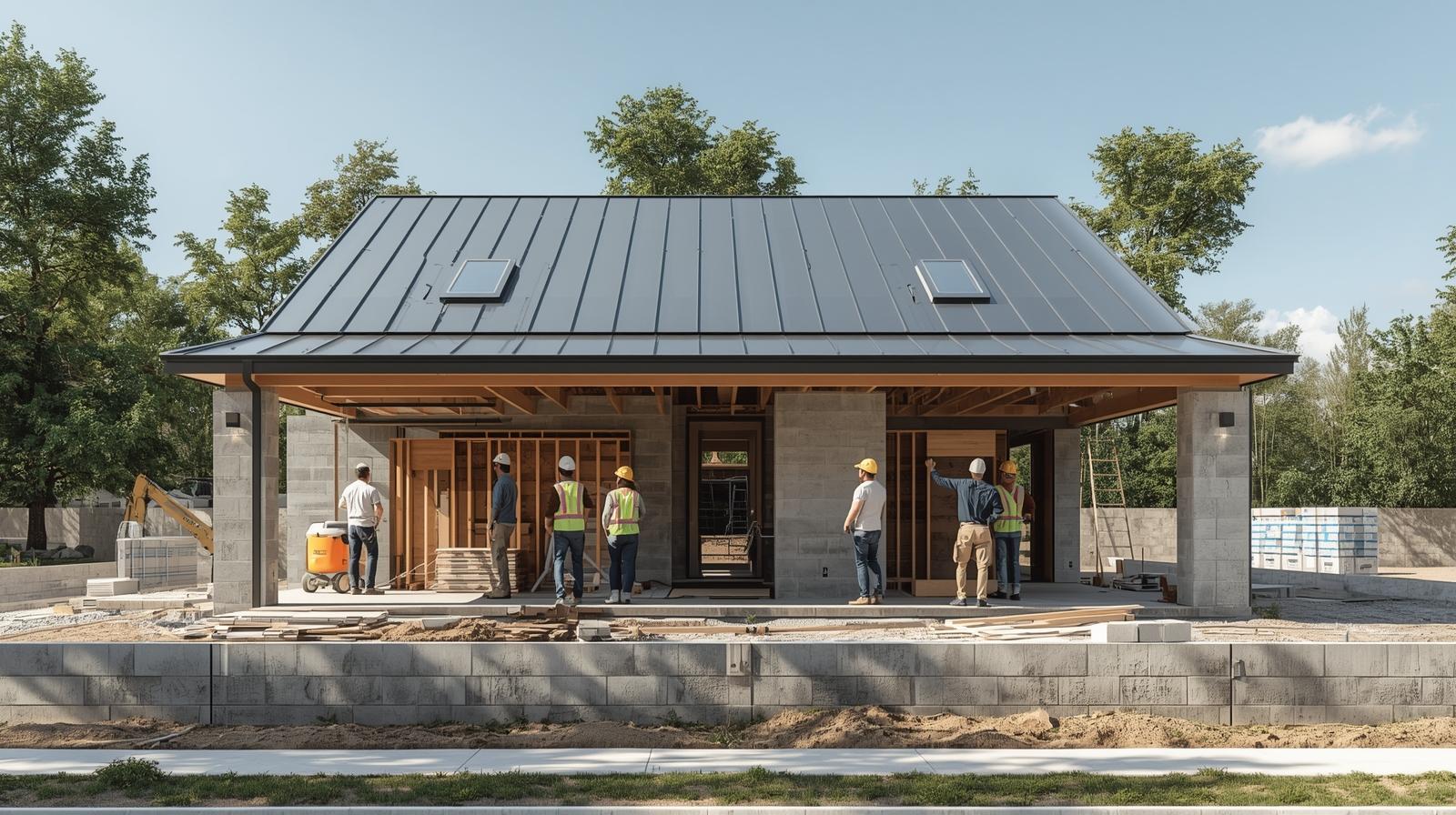
When it comes to residential construction, one of the biggest challenges is finding materials that balance affordability with long-term durability. For homeowners and builders, the goal is clear — reduce upfront costs without compromising quality or maintenance life. Let’s explore some of the most reliable materials that achieve this balance in modern home projects.
1. Concrete Blocks – Affordable Strength
Concrete blocks have been a cornerstone of residential construction for decades. They’re cost-effective, easy to install, and provide excellent structural strength.
- Why it’s durable: Resistant to fire, pests, and moisture.
- Why it’s low-cost: Readily available and requires minimal maintenance over time.
Many builders now use insulated or lightweight versions to improve energy efficiency while keeping expenses in check.
2. Fiber Cement Siding – The Smart Exterior Choice
For exterior walls, fiber cement offers a combination of durability and aesthetic flexibility. It can mimic wood or stucco finishes while lasting much longer.
- Durability factor: Withstands harsh weather and resists warping, rot, and insects.
- Cost benefit: Lower long-term maintenance costs compared to traditional wood siding.
It’s a strong alternative for homeowners seeking the look of premium materials without the high price tag.
3. Engineered Wood – Natural Look, Better Performance
Engineered wood products, such as laminated veneer lumber (LVL) or oriented strand board (OSB), have replaced traditional lumber in many projects.
- Why it’s durable: Designed for structural integrity and reduced warping.
- Why it’s affordable: Uses smaller, faster-growing trees — a sustainable and cost-saving choice.
It’s ideal for framing, flooring, and sheathing applications in budget-conscious builds.
4. Metal Roofing – Long Life at Lower Lifetime Cost
While metal roofing may have a higher upfront price than asphalt shingles, its long-term savings make it an excellent value.
- Durability: Lasts 40–70 years, resists rust and weather damage.
- Cost advantage: Lower energy bills due to better heat reflection and minimal repair needs.
It’s becoming increasingly popular in areas prone to extreme weather due to its resilience and recyclability.
5. Recycled and Reclaimed Materials – Sustainability Meets Savings
Reusing materials is one of the best ways to cut construction costs.
- Examples: Reclaimed bricks, recycled steel, salvaged wood, and repurposed concrete.
- Durability: Many recycled materials perform as well as new ones when properly treated.
Beyond cost, they also contribute to environmental sustainability and qualify projects for green building certifications.
6. Polished Concrete Flooring – A Durable Finish
Polished concrete is increasingly replacing tiles or hardwood in modern homes.
- Why it’s durable: Resistant to scratching, moisture, and wear.
- Why it’s cost-effective: No need for additional flooring materials or frequent replacements.
It offers a sleek, minimalist appearance perfect for contemporary residential spaces.
7. Hollow Clay Blocks – Energy Efficiency with Low Cost
Hollow clay or terracotta blocks are gaining traction in residential projects due to their insulation properties.
- Durability: Resistant to fire and doesn’t degrade over time.
- Cost factor: Lightweight, reducing structural costs and labor expenses.
They help maintain comfortable indoor temperatures, which lowers long-term energy use.
8. Vinyl Windows and Doors – Function and Affordability
Vinyl frames are among the most economical and long-lasting window options for residential construction.
- Durability: Resistant to corrosion, moisture, and UV damage.
- Affordability: Easy to install and energy efficient, reducing HVAC costs.
They require almost no maintenance, making them a practical choice for cost-sensitive homeowners.
Final Insights
The best residential materials aren’t just those with the lowest upfront price, but those offering the greatest value over time. Builders who focus on durability, availability, and lifecycle performance can deliver homes that stay within budget while maintaining lasting strength and aesthetic appeal.
Choosing materials like fiber cement, engineered wood, or recycled components helps projects remain cost-efficient — and environmentally responsible — in today’s construction landscape.