
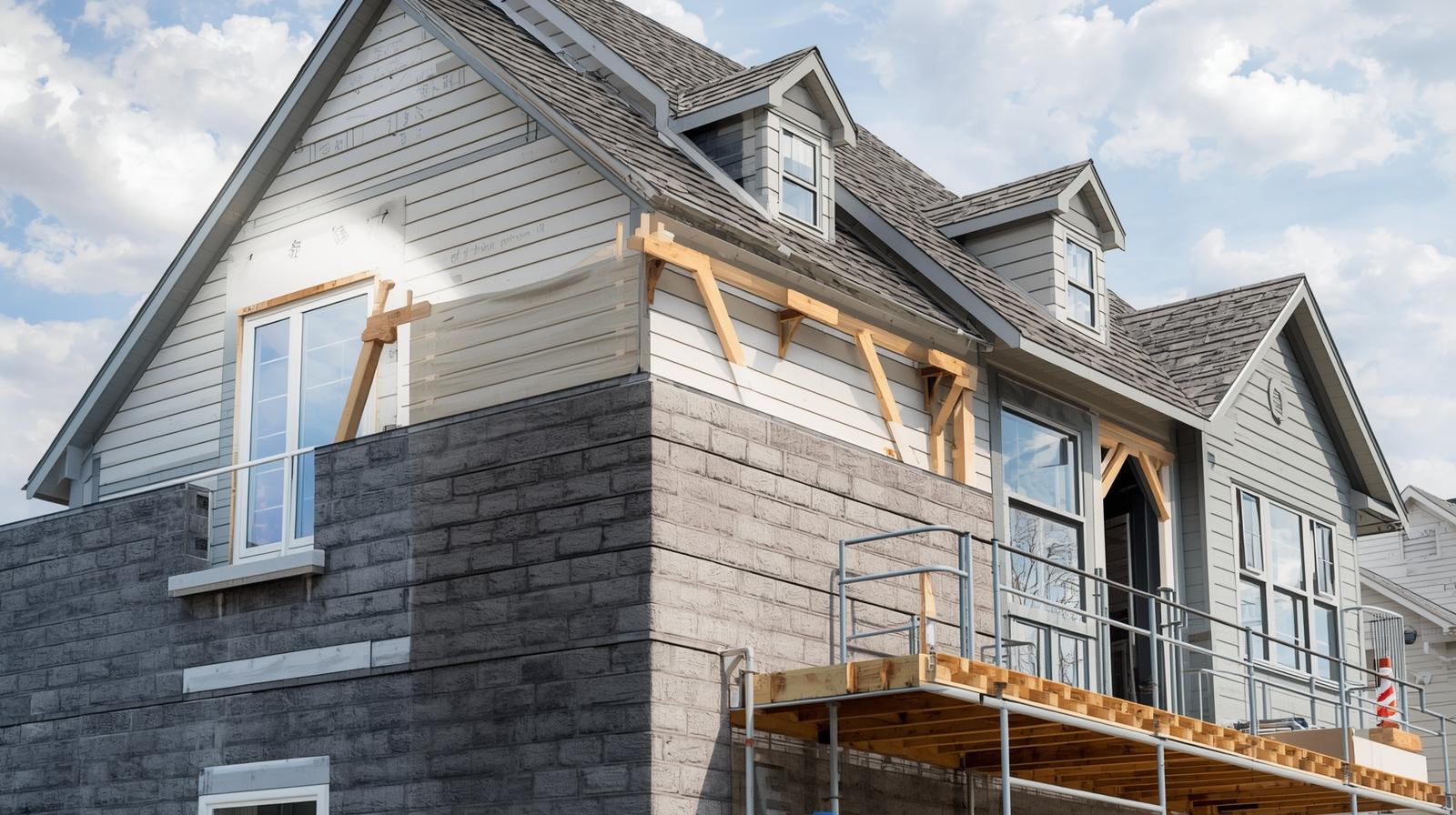
Residential construction projects often face a delicate balance: achieving durability and safety while staying within budget. Many homeowners and builders believe that quality always comes with a high price tag, but this is not always the case.
With careful selection and strategic planning, you can use low-cost materials that still offer long-term reliability, reduce maintenance expenses, and even enhance energy efficiency. This article explores the top materials, their cost-effectiveness, and practical guidance for estimators and builders.
1. Understanding Cost vs. Durability in Estimating
Before selecting materials, it’s important to understand the true cost concept.
- Upfront Cost: The purchase price per unit of material, including delivery.
- Lifecycle Cost: Total cost over the building’s lifespan, including maintenance, repair, and replacement.
A material may be cheap upfront but incur high maintenance costs, making it less economical in the long run. For residential estimators, choosing materials with the best lifecycle value is critical to accurate and competitive budgeting.
2. Structural Materials
a. Concrete Blocks
- Description: Precast concrete blocks or hollow concrete masonry units (CMUs)
- Average Cost: $1–$3 per block
- Durability: 50+ years
- Advantages: Fire-resistant, termite-resistant, low maintenance
- Use Cases: Load-bearing walls, foundations, and exterior walls
- Estimator Tip: Include mortar, reinforcements, and labor in the estimate. Blocks are low-cost upfront but offer excellent long-term value.
b. Engineered Wood (Laminated Veneer Lumber or LVL)
- Description: Manufactured wood designed for strength and dimensional stability
- Average Cost: $2–$4 per linear foot
- Durability: 30–50 years when properly treated
- Advantages: Lightweight, easy to install, consistent quality
- Use Cases: Floor joists, beams, and roof framing
- Estimator Tip: Factor in fasteners and protective coatings; LVL reduces waste and labor time compared to traditional lumber.
3. Exterior Finishing Materials
a. Fiber Cement Siding
- Description: Cement-based panels reinforced with cellulose fibers
- Average Cost: $5–$7 per sq. ft. installed
- Durability: 30–50 years
- Advantages: Resistant to fire, rot, and termites; minimal maintenance
- Estimator Tip: Include trim and finishing materials; fiber cement panels are heavier than vinyl but offer longer durability.
b. Vinyl Siding
- Average Cost: $3–$5 per sq. ft. installed
- Durability: 20–30 years
- Advantages: Low maintenance, water-resistant, easy to clean
- Estimator Tip: Lightweight and quick to install, reducing labor costs. Estimate trim and accessory components for a complete budget.
c. Brick Veneer
- Average Cost: $6–$10 per sq. ft. installed
- Durability: 50+ years
- Advantages: Excellent aesthetics, low maintenance, weather-resistant
- Estimator Tip: Brick veneer offers the look of solid masonry without the higher structural cost. Factor in mortar, lintels, and installation labor.
4. Roofing Materials
a. Asphalt Shingles
- Average Cost: $4–$7 per sq. ft. installed
- Durability: 20–25 years
- Advantages: Low upfront cost, easy installation, wide color selection
- Estimator Tip: Include waste factor (~10%) for cutting and trimming around roof features.
b. Metal Roofing (Budget-Friendly Options)
- Average Cost: $8–$12 per sq. ft. installed
- Durability: 40–60 years
- Advantages: Lightweight, low maintenance, recyclable
- Estimator Tip: Prefabricated panels reduce installation time; include underlayment and fastener costs in your estimate.
5. Flooring Materials
a. Vinyl Plank Flooring
- Average Cost: $2–$5 per sq. ft.
- Durability: 20–30 years
- Advantages: Water-resistant, easy to maintain, budget-friendly
- Estimator Tip: Add adhesive, trims, and underlayment for an accurate cost.
b. Engineered Hardwood
- Average Cost: $4–$7 per sq. ft.
- Durability: 25–40 years
- Advantages: Looks like solid wood but is more stable in humid climates
- Estimator Tip: Factor in installation complexity and finish materials.
6. Windows and Doors
a. Vinyl Windows
- Average Cost: $150–$400 per unit depending on size
- Durability: 20–30 years
- Advantages: Low maintenance, energy-efficient, affordable
- Estimator Tip: Include flashing and caulking costs in estimates.
b. Fiberglass or Composite Doors
- Average Cost: $200–$500 per door installed
- Durability: 25–40 years
- Advantages: Resistant to warping, durable, low maintenance
- Estimator Tip: Consider hardware and weatherstripping costs for total project pricing.
7. Insulation and Energy Efficiency
a. Expanded Polystyrene (EPS) Panels
- Average Cost: $0.50–$1 per sq. ft.
- Durability: 20–50 years
- Advantages: Excellent thermal resistance, moisture-resistant, low-cost
- Estimator Tip: Factor in adhesives or fasteners and labor for installation.
b. Spray Foam (Open or Closed Cell)
- Average Cost: $1.50–$3 per sq. ft.
- Durability: 30+ years
- Advantages: High R-value, air-sealing properties, reduces energy costs
- Estimator Tip: Include protective coatings or coverings; spray foam can save energy costs over time.
8. Practical Estimating Tips for Low-Cost Durable Materials
- Calculate Lifecycle Costs, Not Just Material Prices:
Low upfront costs may lead to higher long-term maintenance expenses. - Factor in Labor and Installation Time:
Materials like fiber cement or engineered wood may save money by reducing labor complexity. - Include Waste and Contingencies:
Always account for material waste (5–10%) and unknown issues that may arise during construction. - Consider Local Material Availability:
Transportation and local supply affect cost; locally sourced materials often reduce expenses. - Match Material to Climate:
Some low-cost materials may underperform in certain regions, leading to premature repairs or replacement.
9. Estimating Example: 1,500 sq. ft. Budget Home
| Material | Unit Cost | Quantity | Total Cost |
|---|---|---|---|
| Concrete blocks | $2/block | 1,200 blocks | $2,400 |
| Fiber cement siding | $6/sq. ft. | 1,500 sq. ft. | $9,000 |
| Asphalt shingles | $5/sq. ft. | 1,500 sq. ft. | $7,500 |
| Vinyl windows | $250/unit | 10 units | $2,500 |
| Vinyl plank flooring | $3/sq. ft. | 1,500 sq. ft. | $4,500 |
| Spray foam insulation | $2/sq. ft. | 1,500 sq. ft. | $3,000 |
| Total Estimated Cost | $28,900 |
This example demonstrates how careful material selection can deliver durable, low-cost construction while maintaining quality standards.
Conclusion
Selecting low-cost but durable materials is a cornerstone of smart residential estimating. By combining cost-effective structural elements, efficient roofing and siding, and long-lasting interior finishes, builders can deliver projects that meet budgets without sacrificing performance.
Estimators should always account for material costs, labor, waste, regional conditions, and lifecycle costs to ensure accuracy. Thoughtful material selection not only saves money upfront but also reduces long-term maintenance, improves client satisfaction, and enhances overall project value.