
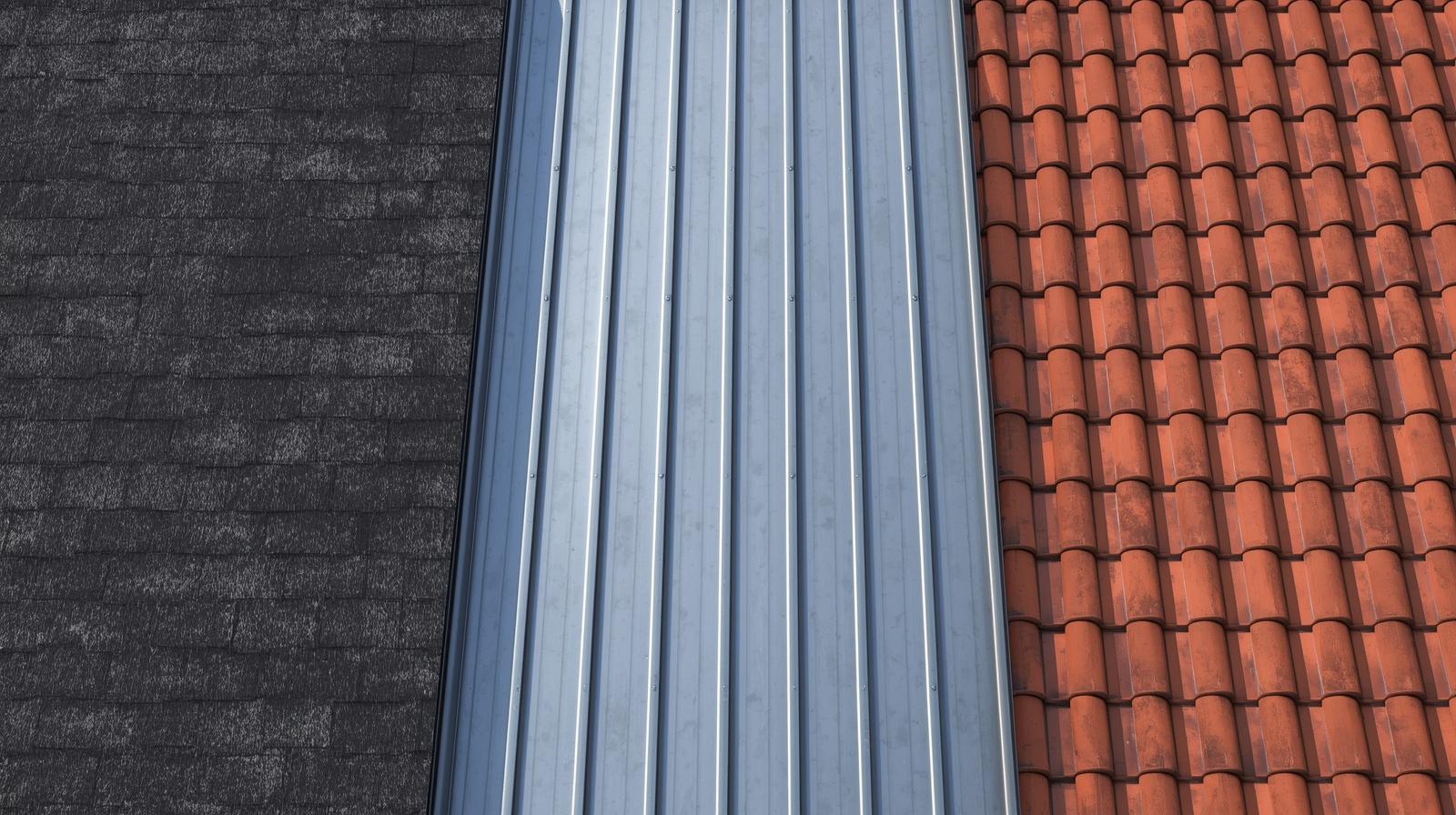
Roofing is one of the most critical parts of any construction estimate, influencing not just the project’s upfront cost but also its long-term energy efficiency and maintenance budget. Among the many options, asphalt shingles, metal panels, and tile roofs remain the most popular choices across U.S. residential and commercial projects.
Choosing between them involves evaluating initial installation costs, expected lifespan, maintenance requirements, and regional climate conditions. This article breaks down each material’s key characteristics and helps you determine which provides the best overall value.
1. Asphalt Roofing: The Traditional and Budget-Friendly Option
Overview:
Asphalt shingles dominate the U.S. roofing market for a reason — they’re affordable, easy to install, and come in a wide range of styles. Ideal for residential homes, asphalt roofs balance upfront cost with decent performance.
Average Cost:
- $4.50 – $7.50 per sq. ft. installed
- Replacement cycle typically every 20–25 years
Advantages:
- Lowest initial cost among roofing types
- Simple installation reduces labor time
- Wide variety of colors and textures
- Easy to repair or replace sections
Disadvantages:
- Shorter lifespan than metal or tile
- Can degrade faster under intense heat or moisture
- Not environmentally sustainable due to petroleum content
Estimator’s Note:
Include 5–10% waste factor in material quantity due to shingle cutting and overlap, especially on roofs with multiple valleys or dormers.
2. Metal Roofing: The Durable and Energy-Efficient Choice
Overview:
Metal roofing has gained immense popularity for its longevity, energy efficiency, and sleek modern look. It’s especially favored in areas prone to heavy rain, snow, or high winds.
Average Cost:
- $8.00 – $14.00 per sq. ft. installed
- Lifespan: 40–70 years, depending on coating and maintenance
Advantages:
- Highly durable and weather-resistant
- Reflects solar heat, lowering energy bills
- Lightweight and suitable for retrofit installations
- Low maintenance requirements
Disadvantages:
- Higher upfront cost compared to asphalt
- Noise concerns during rain (can be mitigated with insulation)
- Requires professional installation for watertight seams
Estimator’s Note:
Add allowances for underlayment upgrades and fastener systems, as metal panels expand and contract with temperature changes, potentially affecting seal integrity over time.
3. Tile Roofing: The Premium and Long-Lasting Option
Overview:
Tile roofing — whether clay, concrete, or slate — offers unmatched aesthetics and durability. Common in southern and coastal states, it’s ideal for warm climates and high-end projects where appearance and longevity are top priorities.
Average Cost:
- $10.00 – $20.00 per sq. ft. installed
- Lifespan: 50–100 years, depending on material
Advantages:
- Exceptional lifespan and weather resistance
- Fireproof and energy-efficient
- Adds significant property value
- Requires minimal maintenance once installed
Disadvantages:
- Heavy — often needs reinforced framing
- High installation cost
- Fragile under foot traffic or impact
Estimator’s Note:
Account for structural reinforcement costs when estimating tile roof projects, especially for existing buildings. Load calculations must be reviewed before final bid submission.
4. Cost Comparison Summary
| Feature | Asphalt | Metal | Tile |
|---|---|---|---|
| Average Installed Cost (per sq. ft.) | $4.50 – $7.50 | $8.00 – $14.00 | $10.00 – $20.00 |
| Lifespan | 20–25 years | 40–70 years | 50–100 years |
| Maintenance | Moderate | Low | Low |
| Energy Efficiency | Fair | Excellent | Excellent |
| Weather Resistance | Moderate | Excellent | Excellent |
| Structural Weight | Light | Light | Heavy |
| Aesthetic Range | High | Moderate | Very High |
Key Takeaway:
While asphalt is the cheapest initially, metal and tile provide better long-term cost efficiency due to extended lifespan and reduced maintenance costs.
5. Climate Considerations
Cold & Snowy Regions (e.g., Midwest, Northeast):
- Metal roofing performs best — snow slides off easily, reducing ice dams.
Hot & Sunny Regions (e.g., Southwest, South):
- Tile roofs excel in heat reflection and thermal mass.
- Asphalt may deteriorate faster under extreme sunlight.
Humid or Coastal Areas (e.g., Southeast, Gulf Coast):
- Metal resists moisture and salt corrosion better than asphalt or unsealed tile.
Including regional climate adjustments in your estimate ensures realistic cost forecasting and prevents warranty disputes down the line.
6. Maintenance and Lifecycle Costs
Asphalt: Needs periodic inspection for curled or missing shingles. Replacement costs recur roughly every two decades.
Metal: Minimal upkeep. Occasional repainting or re-coating extends service life beyond 50 years.
Tile: Nearly maintenance-free but prone to individual tile cracking. Maintenance costs often relate more to labor than materials.
Lifecycle Cost Estimate per 50 Years:
- Asphalt: $20,000–$30,000 (two replacements)
- Metal: $15,000–$25,000 (occasional coating)
- Tile: $18,000–$28,000 (minor repairs only)
7. Sustainability and Energy Performance
Environmental impact is an increasingly important consideration in estimating.
- Asphalt: Petroleum-based, limited recyclability.
- Metal: Fully recyclable, often made from recycled materials.
- Tile: Natural and recyclable, excellent thermal mass reduces cooling demand.
Energy efficiency credits may apply to cool-roof rated metal or tile systems, making them appealing for green building projects and government contracts.
8. Estimator’s Decision Framework
When preparing roofing estimates, use this simple decision guide:
| Project Type | Recommended Material | Reason |
|---|---|---|
| Entry-Level Residential | Asphalt | Lowest upfront cost |
| Mid-Range Homes | Metal | Balanced cost and performance |
| Luxury or Long-Term Investment | Tile | Premium aesthetics and longevity |
| Commercial Retrofit | Metal | Lightweight and energy-efficient |
| Coastal or High-Wind Zone | Metal or Tile | Better wind and corrosion resistance |
Your final recommendation should balance budget, climate, aesthetics, and maintenance goals — not just material cost per square foot.
Conclusion
Each roofing material has its place in construction estimating. Asphalt wins for affordability, metal for durability and efficiency, and tile for beauty and long-term value.
When preparing estimates, always look beyond upfront price tags — factor in regional weather, building structure, and maintenance projections. The right roofing choice can significantly improve not only cost accuracy but also client satisfaction and property longevity.