
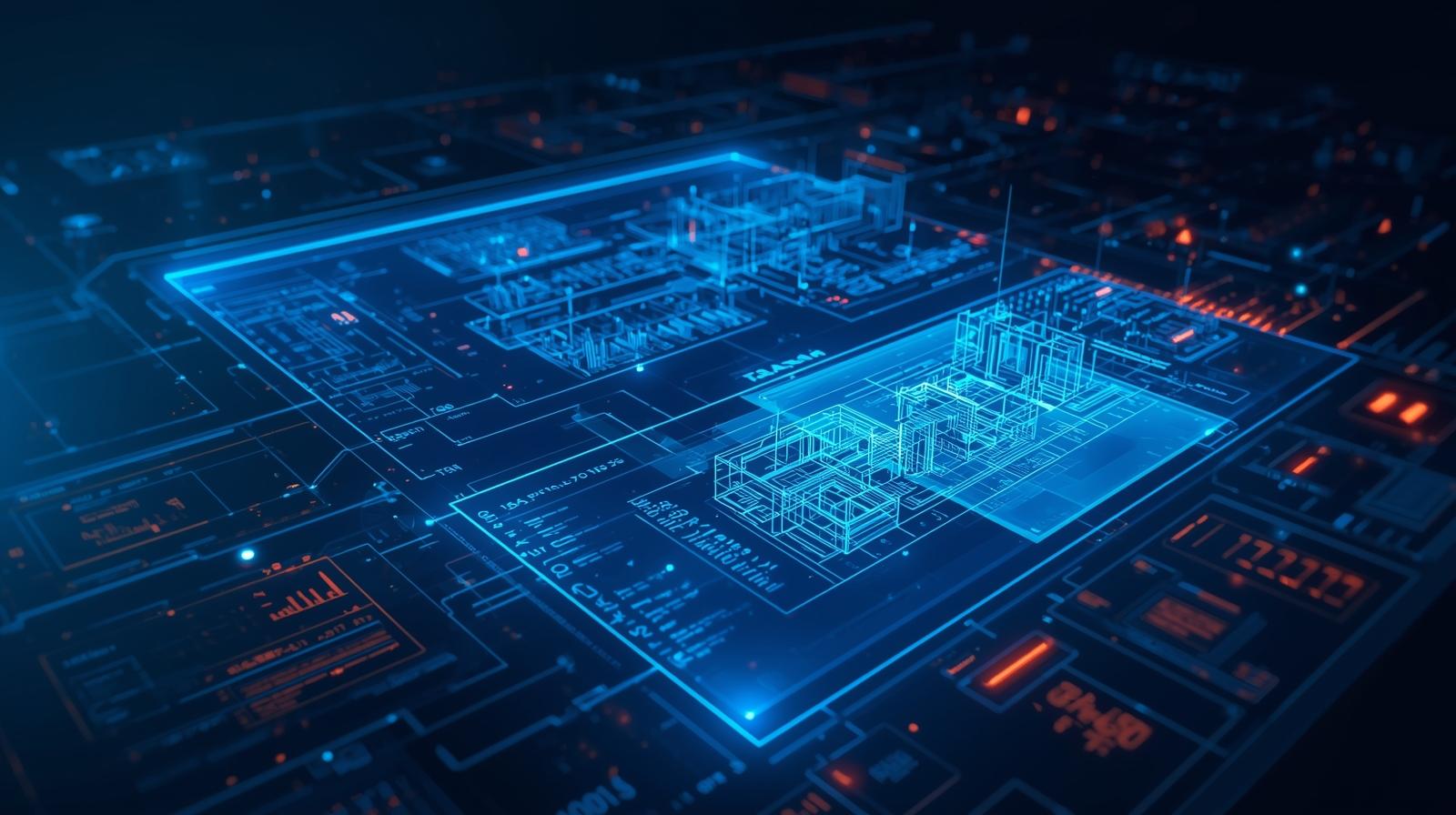
Construction cost estimating has always been part science, part art — but with artificial intelligence (AI), the balance is shifting. AI-powered estimation tools are transforming how contractors, engineers, and cost analysts predict project costs, analyze risks, and streamline takeoffs.
In an industry where even a 3% cost overrun can wipe out profit margins, AI brings a level of speed, accuracy, and foresight that traditional methods simply can’t match.
Why AI Matters in Construction Estimating
AI isn’t just about automation — it’s about learning from data. Every project generates massive information: material prices, labor hours, weather impacts, supplier reliability, and regional inflation. AI systems process this data to identify patterns and cost trends far faster than humans can.
This means your estimates become:
- Faster — time savings of 50–70% compared to manual takeoffs
- Smarter — predictive adjustments based on historical project data
- More adaptive — automatic updates when market rates or supply conditions change
How AI-Powered Estimating Works
AI estimation tools rely on a mix of technologies:
- Machine Learning (ML): Learns from previous projects to improve accuracy over time.
- Computer Vision: Scans and reads blueprints or drawings automatically.
- Predictive Analytics: Forecasts price changes and material availability.
- Natural Language Processing (NLP): Understands project notes or specs written in plain text.
For example, an AI system can read a PDF floor plan, detect walls, windows, and finishes, and instantly calculate quantities — all before an estimator manually measures a single line.
Top Advantages of AI-Based Cost Estimating
1. Faster Takeoffs and Quantity Calculations
AI-powered software like ProEst, Buildxact, or PlanSwift AI can analyze drawings and specifications in minutes, creating takeoffs that used to take hours.
2. Predictive Cost Modeling
AI can forecast how material prices might change in the next 3–6 months, helping estimators adjust bids proactively. For instance, if steel or concrete costs are trending upward, the model alerts you early.
3. Error Reduction
Traditional estimates often rely on human judgment — and that means potential mistakes. AI reduces manual data entry errors and flags anomalies, leading to more consistent cost results.
4. Real-Time Market Integration
AI tools pull data directly from live supplier APIs or construction indexes (like RSMeans or regional cost databases), ensuring your pricing stays up-to-date.
5. Enhanced Risk Management
Machine learning algorithms can identify project risk factors — such as weather patterns, supply chain delays, or labor shortages — and recommend buffers or contingencies automatically.
Practical Use Cases in 2025
| AI Application | Description | Benefit |
|---|---|---|
| Blueprint Scanning | Auto-detects elements from 2D plans | Saves hours on manual takeoffs |
| Cost Forecasting | Predicts inflation and price movements | Improves bid competitiveness |
| Data Normalization | Combines historical data with new project inputs | Enhances accuracy |
| Scheduling Integration | Links estimates with Gantt timelines | Helps optimize resource planning |
| Supplier Optimization | Suggests vendors based on price/performance | Cuts procurement costs |
Challenges & Considerations
While AI is transforming cost analysis, it’s not without challenges:
- Data quality: The AI is only as good as the data it’s trained on.
- Integration: Many contractors struggle to connect AI tools with existing ERP or BIM systems.
- Human oversight: AI assists, but final cost validation still needs an experienced estimator’s judgment.
Think of AI as your digital co-estimator — fast, consistent, and tireless, but guided by human expertise.
The Human-AI Partnership
AI doesn’t replace estimators; it empowers them. Professionals can now spend less time counting quantities and more time:
- Analyzing design options
- Consulting clients
- Managing cost strategies
- Reviewing constructability and value engineering
When human experience and AI speed work together, the result is smarter, more profitable projects.
The Future Outlook
By 2027, over 60% of U.S. construction firms are expected to integrate some form of AI-driven cost analysis. As tools evolve, we’ll see features like:
- Voice-driven estimating assistants
- Automated material substitution recommendations
- AI-powered cost simulations for sustainability-driven designs
Early adopters are already gaining a major edge — not by replacing human judgment, but by amplifying it.
Conclusion
AI-powered estimating is no longer a futuristic concept — it’s the new reality of efficient, data-driven construction. Whether you’re a small contractor or a national builder, adopting AI estimation tools today can improve your speed, accuracy, and bid success rate tomorrow.
If you’re planning to scale your estimation operations, AI is the tool that will help you build faster, smarter, and more confidently.