
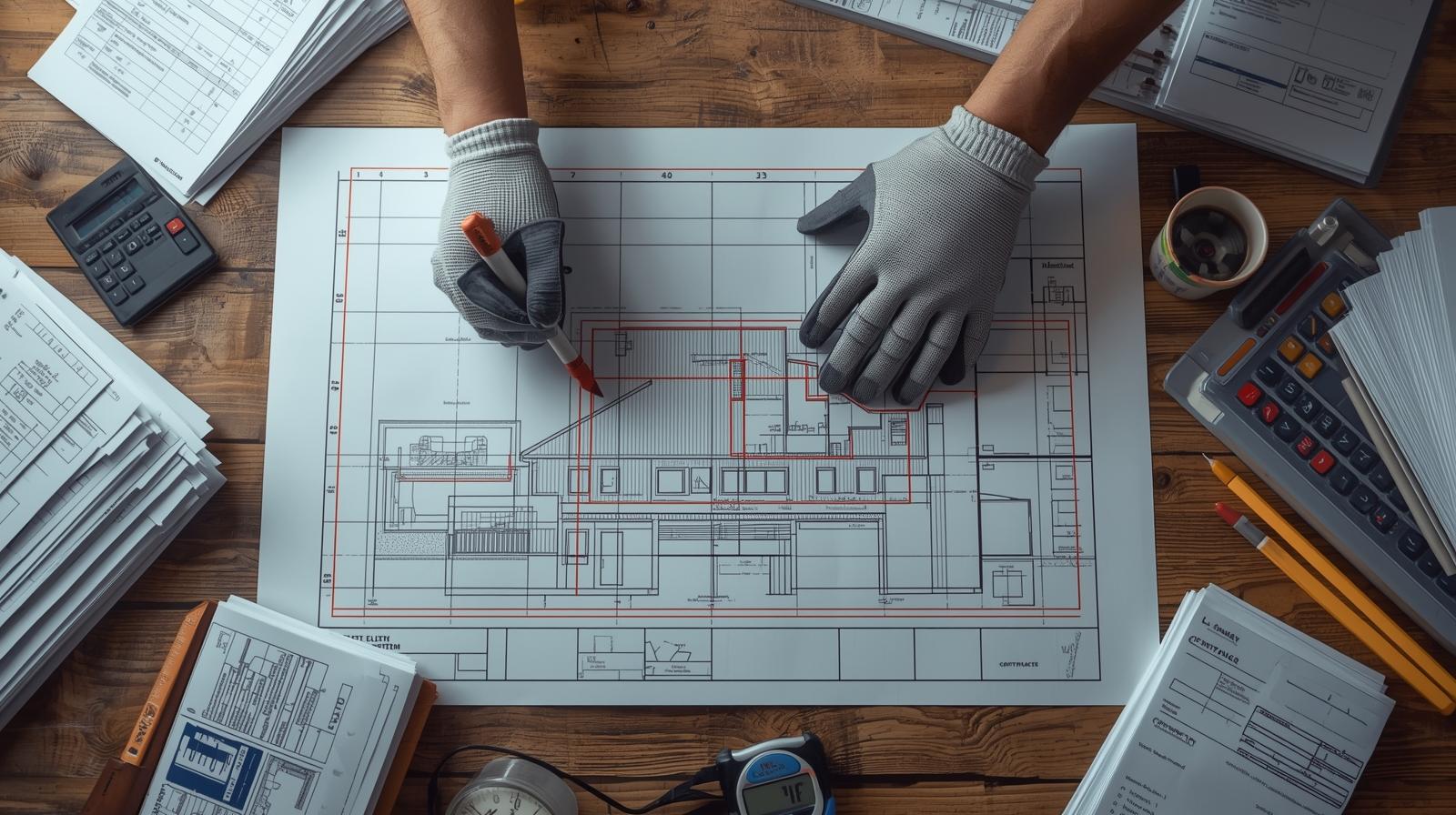
A construction takeoff is one of the most important steps in preparing accurate project estimates. Contractors, estimators, and homeowners frequently search for construction takeoff guides to streamline planning, reduce errors, and control costs. This guide breaks down the process, tools, and best practices for 2025, helping beginners create professional takeoffs for any residential or commercial project.
1. What is a Construction Takeoff?
A construction takeoff is the process of measuring quantities of materials, labor, and equipment needed for a construction project from plans or blueprints. Takeoffs form the foundation of cost estimating and help contractors determine bids, budgets, and schedules.
Key Benefits of a Construction Takeoff:
- Accurate material quantities
- Reduced waste and cost overruns
- Faster bidding and project planning
- Improved communication between contractor and client
Takeoffs can be done manually or using digital tools, depending on project size and complexity.
2. Types of Construction Takeoffs
1. Material Takeoff
- Measures quantities of materials like concrete, drywall, lumber, roofing, and insulation.
- Includes dimensions, counts, and volume calculations.
2. Labor Takeoff
- Estimates hours required for installation, framing, electrical, plumbing, and finishing tasks.
- Helps calculate labor costs accurately.
3. Equipment Takeoff
- Determines machinery, tools, and rental equipment needs.
- Includes cranes, excavators, mixers, scaffolding, and safety gear.
4. Subcontractor Takeoff
- Estimates work that will be outsourced, such as HVAC, roofing, or specialized finishes.
3. Step-by-Step Construction Takeoff Process
Step 1: Review Project Plans
- Examine blueprints, drawings, and specifications.
- Identify all materials, components, and labor tasks.
- Highlight complex areas requiring extra attention.
Step 2: Determine Measurement Units
- Use standard units like square feet, linear feet, cubic yards, or pieces.
- Ensure consistency across the entire takeoff.
Step 3: Measure Quantities
- Measure walls, floors, ceilings, roofing, doors, windows, and finishes.
- Include allowances for waste, cuts, and overlaps.
Step 4: Record and Organize Data
- Create spreadsheets or use takeoff software to log material quantities.
- Separate items by category for easier cost calculation.
Step 5: Assign Unit Costs
- Determine material, labor, and equipment costs per unit.
- Include regional pricing variations for accuracy.
Step 6: Calculate Totals
- Multiply quantity by unit cost to get line item totals.
- Sum all items for a preliminary project estimate.
Step 7: Include Contingencies
- Add 5–10% contingency for unexpected costs.
- Ensures your estimate accounts for minor changes and errors.
4. Common Tools for Construction Takeoffs
Manual Tools:
- Measuring tape, scale ruler, calculator, and blueprint sheets.
Digital Tools (2025 Popular Software):
- PlanSwift: Drag-and-drop takeoff software for quick measurements.
- Bluebeam Revu: PDF markup tool with measurement capabilities.
- Stack: Cloud-based construction takeoff and estimating solution.
- Autodesk Takeoff: 2D and 3D quantity takeoff from BIM models.
Digital tools reduce errors, increase speed, and allow easy revisions compared to manual methods.
5. Material Estimation Examples
Concrete Slab:
- Formula: Length × Width × Thickness = Cubic Feet → Convert to Cubic Yards
- Include 10% waste for uneven pours or spillage.
Drywall:
- Measure wall and ceiling areas.
- Divide by sheet size (e.g., 4×8 ft) and add waste factor.
Flooring:
- Measure room dimensions.
- Account for cuts and patterns (tile, hardwood, or laminate).
6. Labor Cost Estimation
- Multiply estimated hours by average hourly rates.
- Include crew size, regional labor rates, and skill level.
- Example: Installing drywall (Level 4 finish) = $1.50–$1.75 per sq ft.
- Add additional costs for overtime, permits, and special tools.
7. Equipment and Subcontractor Costs
Equipment Example:
- Crane rental: $1,000/day
- Concrete mixer: $150/day
- Scaffold rental: $25–$50/day per section
Subcontractor Example:
- Roofing: $4–$8 per sq ft
- HVAC installation: $5,000–$12,000 per residential unit
- Plumbing rough-in: $2,500–$7,000 depending on size
Including equipment and subcontractor costs ensures the estimate reflects the total project budget.
8. Common Mistakes in Construction Takeoffs
- Ignoring Waste: Failing to account for cuts, breakage, and overlaps can understate material needs.
- Overlooking Small Items: Fasteners, sealants, adhesives, and trims are often missed.
- Incorrect Measurements: Misreading blueprints leads to major cost discrepancies.
- Outdated Pricing: Using old material or labor prices can make estimates inaccurate.
- Failing to Include Contingency: Unexpected costs can derail budgets without a buffer.
9. Tips for Accurate Takeoffs
- Always double-check measurements before finalizing totals.
- Break large projects into smaller sections to avoid errors.
- Use software with automated calculations when possible.
- Communicate with subcontractors to confirm scope and costs.
- Update unit costs regularly to reflect market changes.
10. Benefits of Mastering Construction Takeoffs
- Faster bidding and proposal preparation
- Reduced material waste and cost overruns
- Better scheduling and project management
- Increased confidence with clients and stakeholders
Contractors who master takeoffs can bid more competitively and avoid underestimating project costs.
11. Example Takeoff Summary (Small Residential Project)
| Item | Quantity | Unit Cost | Total Cost |
|---|---|---|---|
| Concrete Slab (4” thick) | 600 sq ft | $6 per sq ft | $3,600 |
| Drywall (walls + ceiling) | 1,000 sq ft | $1.50 per sq ft | $1,500 |
| Flooring (laminate) | 400 sq ft | $4 per sq ft | $1,600 |
| Roofing (asphalt shingles) | 1,200 sq ft | $3.50 per sq ft | $4,200 |
| Windows (vinyl) | 10 units | $400 each | $4,000 |
| Labor (combined) | — | — | $8,500 |
| Equipment & Misc | — | — | $1,500 |
| Total Estimated Cost | — | — | $24,900 |
This example illustrates a step-by-step beginner-friendly takeoff for a residential home, including materials, labor, and equipment.
12. Final Takeaway
A construction takeoff is an essential tool for accurate project estimating. By carefully measuring materials, calculating labor, accounting for equipment, and including contingencies, contractors and homeowners can avoid costly mistakes. Using modern software tools further streamlines the process, making takeoffs faster and more precise. Mastering takeoffs in 2025 helps ensure projects stay on budget and on schedule.