
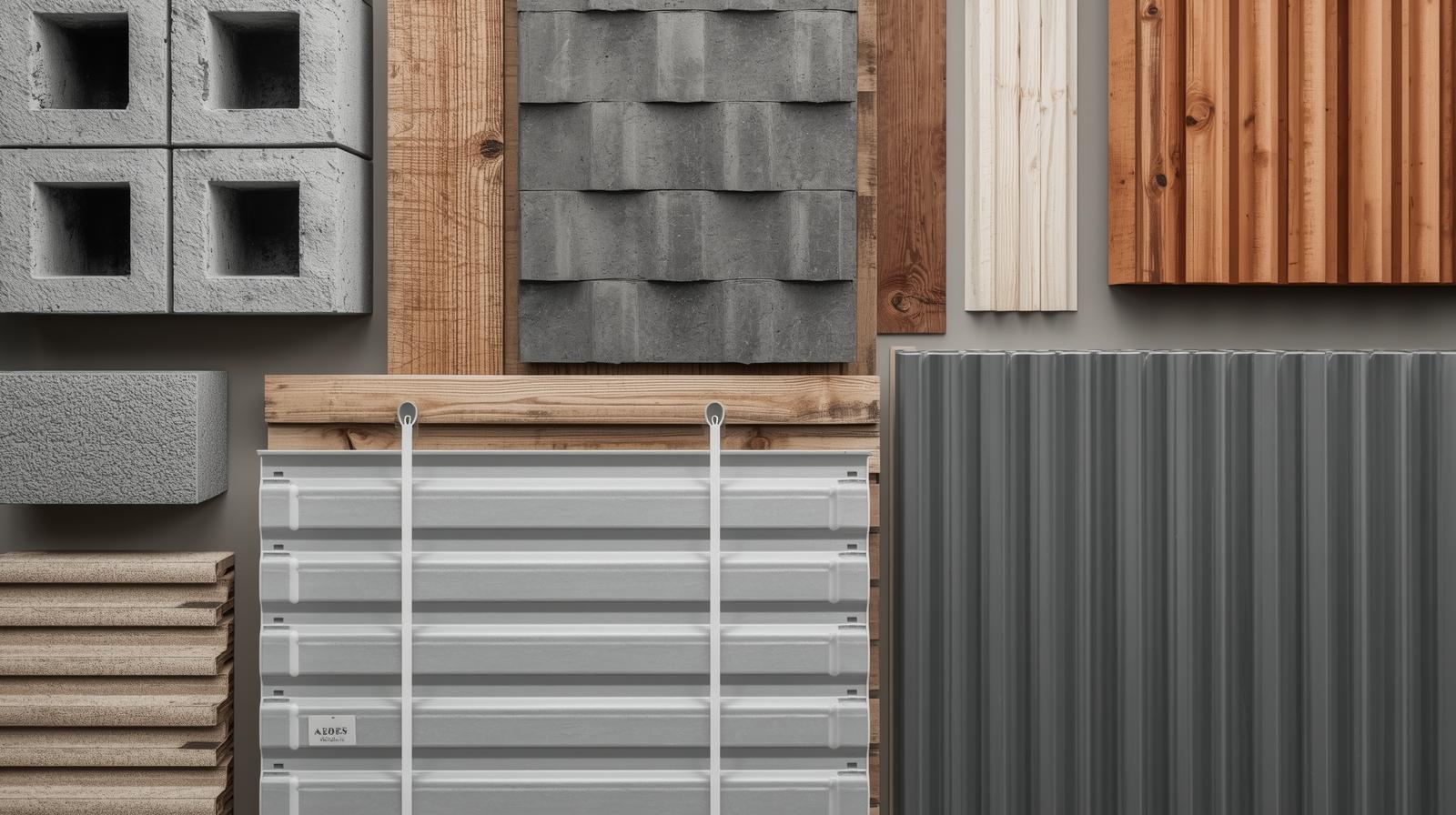
Building a home or remodeling an existing one requires balancing cost, durability, and long-term performance. Many homeowners and contractors in the U.S. search for low-cost but durable construction materials that reduce upfront expenses while ensuring quality. This guide breaks down the most effective options for walls, flooring, roofing, and finishing in 2025, along with average costs and practical tips.
1. Why Choosing Durable Yet Affordable Materials Matters
Construction materials directly impact the lifespan, maintenance, and resale value of a home. Using low-cost but durable materials allows you to:
- Reduce initial construction expenses
- Minimize long-term maintenance costs
- Improve energy efficiency
- Achieve a professional, modern aesthetic
Selecting materials carefully can save homeowners thousands of dollars without compromising quality.
2. Wall Materials: Affordable and Strong
Concrete Blocks (CMU)
- Cost: $1.50 – $3 per sq ft
- Durability: High, fire-resistant, weather-resistant
- Benefits: Load-bearing, low maintenance, soundproof
Autoclaved Aerated Concrete (AAC)
- Cost: $2 – $4 per sq ft
- Durability: Good, lightweight, insulating
- Benefits: Easy to cut/install, energy-efficient
Vinyl Siding for Exterior Walls
- Cost: $2 – $5 per sq ft installed
- Durability: Moderate to high, low maintenance
- Benefits: Weather-resistant, long-lasting, variety of colors
Fiber Cement Panels
- Cost: $3 – $6 per sq ft
- Durability: High, resistant to termites, fire, and rot
- Benefits: Modern aesthetic, long lifespan
3. Flooring Options: Cost-Effective and Long-Lasting
Laminate Flooring
- Cost: $2 – $5 per sq ft
- Durability: Moderate, scratch-resistant, water-resistant options available
- Benefits: Quick installation, affordable look of hardwood
Vinyl Plank / Luxury Vinyl Tile (LVT)
- Cost: $3 – $7 per sq ft
- Durability: High, water-resistant, easy maintenance
- Benefits: Ideal for kitchens, bathrooms, and basements
Engineered Hardwood
- Cost: $4 – $9 per sq ft
- Durability: Moderate to high, more stable than solid wood
- Benefits: Real wood finish with lower cost
Polished Concrete
- Cost: $5 – $10 per sq ft
- Durability: Very high, minimal maintenance
- Benefits: Modern industrial look, long-lasting
4. Roofing Materials: Budget-Friendly Options
Asphalt Shingles
- Cost: $1.50 – $3 per sq ft
- Durability: 20–30 years
- Benefits: Widely available, easy installation, variety of styles
Metal Roofing (Corrugated / Standing Seam)
- Cost: $5 – $12 per sq ft
- Durability: 40–70 years
- Benefits: Energy-efficient, fire-resistant, low maintenance
Clay or Concrete Tiles
- Cost: $8 – $15 per sq ft
- Durability: 50+ years
- Benefits: Fire-resistant, aesthetic appeal, longevity
Synthetic Roofing (Rubber/Composite Slate)
- Cost: $6 – $12 per sq ft
- Durability: 30–50 years
- Benefits: Lightweight, durable, mimics premium materials
5. Windows & Doors: Affordable yet Efficient
Vinyl Windows
- Cost: $150 – $450 per window
- Durability: High, energy-efficient, low maintenance
- Benefits: Resists moisture, affordable replacement
Aluminum-Clad Wood Windows
- Cost: $400 – $800 per window
- Durability: High, long lifespan
- Benefits: Combines wood aesthetic with aluminum durability
Steel Entry Doors
- Cost: $200 – $600
- Durability: Very high, security-oriented
- Benefits: Low maintenance, energy-efficient
Fiberglass Doors
- Cost: $400 – $1,000
- Durability: High, resistant to denting, warping, and moisture
- Benefits: Low maintenance, customizable
6. Insulation Materials: Cost vs Performance
Fiberglass Batts
- Cost: $0.40 – $0.80 per sq ft
- R-value: 2.9 – 3.8 per inch
- Benefits: Affordable, widely available, easy DIY installation
Spray Foam Insulation (Open Cell)
- Cost: $1.50 – $3 per sq ft installed
- R-value: 3.5 – 3.8 per inch
- Benefits: Air sealing, energy efficiency, moisture control
Rigid Foam Boards (XPS / EPS)
- Cost: $0.80 – $2 per sq ft
- R-value: 4 – 5 per inch
- Benefits: High insulating value, moisture-resistant
7. Interior Finishes: Low-Cost, High-Quality
Drywall (Standard 1/2”)
- Cost: $0.40 – $0.60 per sq ft
- Durability: Moderate, easy to repair
- Benefits: Widely used, smooth surface for painting
MDF / Medium-Density Fiberboard for Trim & Cabinets
- Cost: $3 – $6 per linear ft
- Durability: Moderate, cost-effective alternative to solid wood
- Benefits: Smooth finish, paintable
Ceramic or Porcelain Tiles
- Cost: $3 – $8 per sq ft
- Durability: High, water-resistant
- Benefits: Ideal for kitchens, bathrooms, and entryways
Quartz Countertops
- Cost: $50 – $90 per sq ft
- Durability: High, low maintenance
- Benefits: Scratch and stain-resistant, modern look
8. Cost Summary Example for 1,500 Sq Ft Home
| Material | Avg Cost (Installed) |
|---|---|
| Walls (CMU + vinyl siding) | $12,000 – $18,000 |
| Flooring (vinyl + laminate mix) | $7,500 – $11,000 |
| Roofing (asphalt shingles) | $6,000 – $9,000 |
| Windows & Doors | $8,000 – $12,000 |
| Insulation | $2,500 – $5,000 |
| Interior finishes | $12,000 – $18,000 |
| Total Estimated Material & Labor | $48,000 – $73,000 |
This example shows how a low-cost but durable material selection can keep costs under $75k for a 1,500 sq ft residential build.
9. Tips to Maximize Durability While Saving Money
- Compare multiple suppliers for bulk material discounts
- Choose materials that require low maintenance
- Use composite or synthetic alternatives for trim and siding
- Prioritize high-traffic areas with durable flooring
- Select roofing materials that combine lifespan and energy efficiency
- Properly install insulation to reduce energy costs over time
10. Conclusion
Selecting low-cost yet durable construction materials allows homeowners and builders to create long-lasting homes while staying on budget. Walls, flooring, roofing, windows, doors, and insulation all contribute to total project costs and future maintenance. By focusing on smart material choices, you can build efficiently, improve energy efficiency, and increase home value in 2025.