
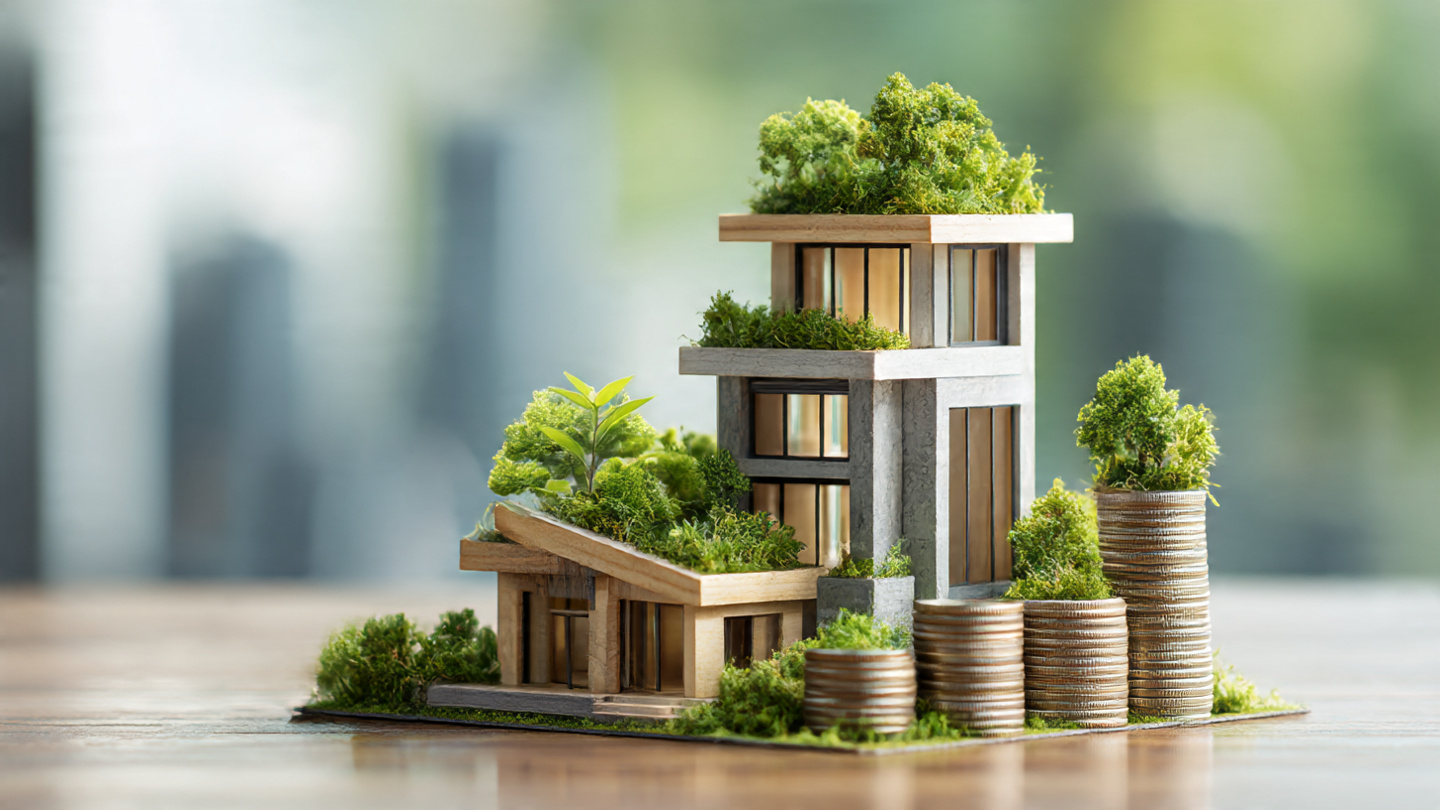
As sustainability becomes a central focus in the construction industry, green building estimating has evolved from a niche skill into a mainstream necessity. In 2025, clients—public and private alike—are demanding LEED-certified, Net-Zero, and energy-efficient buildings.
For contractors and estimators, this shift means rethinking how projects are priced, where materials come from, and how life-cycle costs influence bidding strategies.
This guide explores how sustainable construction is changing cost structures, what factors estimators must consider, and how to accurately price green projects without losing competitiveness.
What Is Sustainable Construction Estimating?
Sustainable construction estimating is the process of forecasting costs for eco-friendly or energy-efficient projects. Unlike traditional estimating, it accounts for:
- Environmentally responsible materials (low-VOC paints, recycled steel, etc.)
- Renewable energy systems (solar, geothermal, etc.)
- Waste management and recycling programs
- Energy modeling and building performance analysis
- Life-cycle cost analysis (LCCA) — not just upfront costs
| Key Focus Area | Traditional Estimate | Green Estimate |
|---|---|---|
| Material Selection | Cost and availability | Environmental impact and sustainability |
| Equipment and Systems | Standard efficiency | High-efficiency or renewable systems |
| Waste Management | Basic disposal | Recycling, reuse, LEED documentation |
| Energy Costs | Construction phase only | Operational phase and energy savings |
Why Green Construction Costs Differ
1. Material Costs Are Often Higher — But Falling Fast
Sustainable materials can cost 5–20% more upfront due to limited supply and certification requirements. However, innovations in mass timber, recycled aggregates, and eco-cement are closing this gap.
Contractors should track regional suppliers who specialize in green materials to manage these costs effectively.
2. Energy Systems Require Specialized Estimating
Energy-efficient HVAC, lighting, and solar panels come with complex installation costs. Estimators must consider:
- Equipment efficiency ratings (SEER, HSPF, etc.)
- Utility rebate programs
- Long-term operational savings
While these systems raise initial costs, they reduce lifecycle expenses, helping win bids for government or institutional projects prioritizing sustainability.
3. Documentation and Certification Fees
Projects pursuing LEED, BREEAM, or Net-Zero certifications involve costs for consultants, energy modeling, and documentation.
Typical certification-related costs include:
- LEED registration: $1,200 – $1,800
- Energy modeling: $3,000 – $10,000 (depending on building type)
- Commissioning and verification: $5,000 – $15,000
These soft costs must be included early in your estimate.
Strategies to Accurately Estimate Green Projects
1. Perform a Life-Cycle Cost Analysis (LCCA)
Instead of focusing solely on initial costs, evaluate the total cost of ownership.
Example: A $15,000 HVAC system that reduces annual energy costs by 25% may offset its higher price within three years.
Clients today are more receptive to long-term ROI, so including this data helps justify higher bids.
2. Use Building Information Modeling (BIM) for Sustainability Analysis
BIM tools can calculate material quantities, embodied carbon, and energy usage with precision.
Estimators using BIM-integrated cost data gain an advantage when bidding on eco-projects where transparency and performance modeling are required.
3. Partner with Green Material Suppliers Early
Developing relationships with suppliers of recycled steel, low-emission concrete, or FSC-certified lumber ensures access to accurate and stable pricing.
These partnerships can reduce estimate revisions later due to supply chain fluctuations.
4. Account for Green Incentives and Tax Credits
Many U.S. states offer tax credits or utility incentives for using renewable technologies. Estimators who identify and include these savings in bids can make their proposals more attractive to owners.
Key Challenges in Green Estimating
| Challenge | Description | Estimator’s Solution |
|---|---|---|
| Limited historical cost data | Green systems are newer and lack benchmarks | Use supplier quotes and case studies |
| Regional pricing fluctuations | Availability of eco-materials varies by state | Maintain updated local supplier database |
| Evolving standards | LEED and Net-Zero guidelines change frequently | Stay current with USGBC and energy code updates |
| Balancing cost and sustainability | Owners want both affordability and green features | Offer hybrid options and ROI-based presentations |
Benefits of Accurate Green Estimating
- Higher Bid Acceptance Rates – Sustainable projects often receive public funding or priority consideration.
- Enhanced Profit Margins – Green estimates can justify higher fees due to specialized expertise.
- Reduced Risk of Rework – Pre-estimating energy and material efficiency minimizes redesigns.
- Competitive Differentiation – Demonstrating green expertise helps stand out in federal and state tenders.
- Future-Proofing – The U.S. market is rapidly adopting ESG (Environmental, Social, Governance) criteria in construction bids.
2025 Outlook: Sustainability as a Bidding Requirement
By 2025, an increasing number of commercial and public tenders will require sustainability scoring in bids.
Contractors without strong green estimating capabilities risk exclusion from major projects—especially those funded by the Infrastructure Investment and Jobs Act (IIJA) and Inflation Reduction Act (IRA) incentives.
The most successful estimators will:
- Integrate energy modeling tools into cost planning
- Partner with sustainability consultants early
- Track regional cost data for green materials
- Educate clients on long-term operational savings
Conclusion
Sustainable construction is no longer just an environmental initiative—it’s a profit-driven competitive advantage.
In 2025 and beyond, estimators who understand green building economics will win more projects, increase profitability, and build a stronger reputation in an eco-conscious market.
By mastering LEED, Net-Zero, and sustainable material estimating, contractors can meet client demands while leading the shift toward a cleaner, more efficient construction industry.
Last fact-checked and editorially reviewed on October 28, 2025.
How we created & reviewed this content:
The content in this article has been gone through our editorial process and currently reliable.
DISCLAIMER
Profound Estimates besides its services, also provides independent, fact-checked information about construction estimates and material takeoffs for general reference only and images on this site maybe AI-Assisted where appropriate and relevant. See our Disclaimer for details.
INFORMATION SOURCES
Profound Estimates follows strict sourcing standards, relying only on credible, verifiable data from manufacturers, industry benchmarks, and reputable publications. Learn more about how we ensure content accuracy and transparency in our Editorial Policy.
- U.S. Green Building Council (USGBC) – LEED v5 Guidelines (2025 Edition)
- EnergyStar – Building Efficiency Standards and Incentives
- Environmental Protection Agency (EPA) – Sustainable Materials Management Reports
- ASTM International – Green Concrete and Eco Material Standards
- National Renewable Energy Laboratory (NREL) – Solar and Energy Efficiency Reports
- RSMeans Construction Cost Data (2025)
- U.S. Department of Energy – Zero Energy Building Programs
- Dodge Data & Analytics – Green Construction Market Outlook 2025
- Construction Specifications Institute – Division 01: Sustainability Requirements
- BuildingGreen – Cost and Performance of LEED Projects
- ProEst Estimating – Sustainable Estimating Best Practices
- Associated General Contractors of America (AGC) – Sustainable Construction Trends 2025
EDITORIAL HISTORY
Our team of writers, editors, and reviewers continually monitors the mobile industry and updates articles when new information becomes available. See how we maintain transparency and editorial integrity in our Editorial Policy.
- Current version
- Edited by Thomas Greene
- October 28, 2025
- Written by Laura Thompson and Ryan Cooper
- Edited by Thomas Greene
- Editorially reviewed by Robert Hensley
DISCUSSION & FEEDBACK
We value reader insights and industry feedback to help us keep our content accurate and relevant. Learn how we handle reviews, corrections, and updates in our Editorial Policy.
- Leave a feedback on this post update at Reddit and Youtube.
CITE & SHARE IT
You’re welcome to cite and share profound estimates content for reference with proper attribution and a link back to the original article — helping more readers access trustworthy, well-researched construction information.