
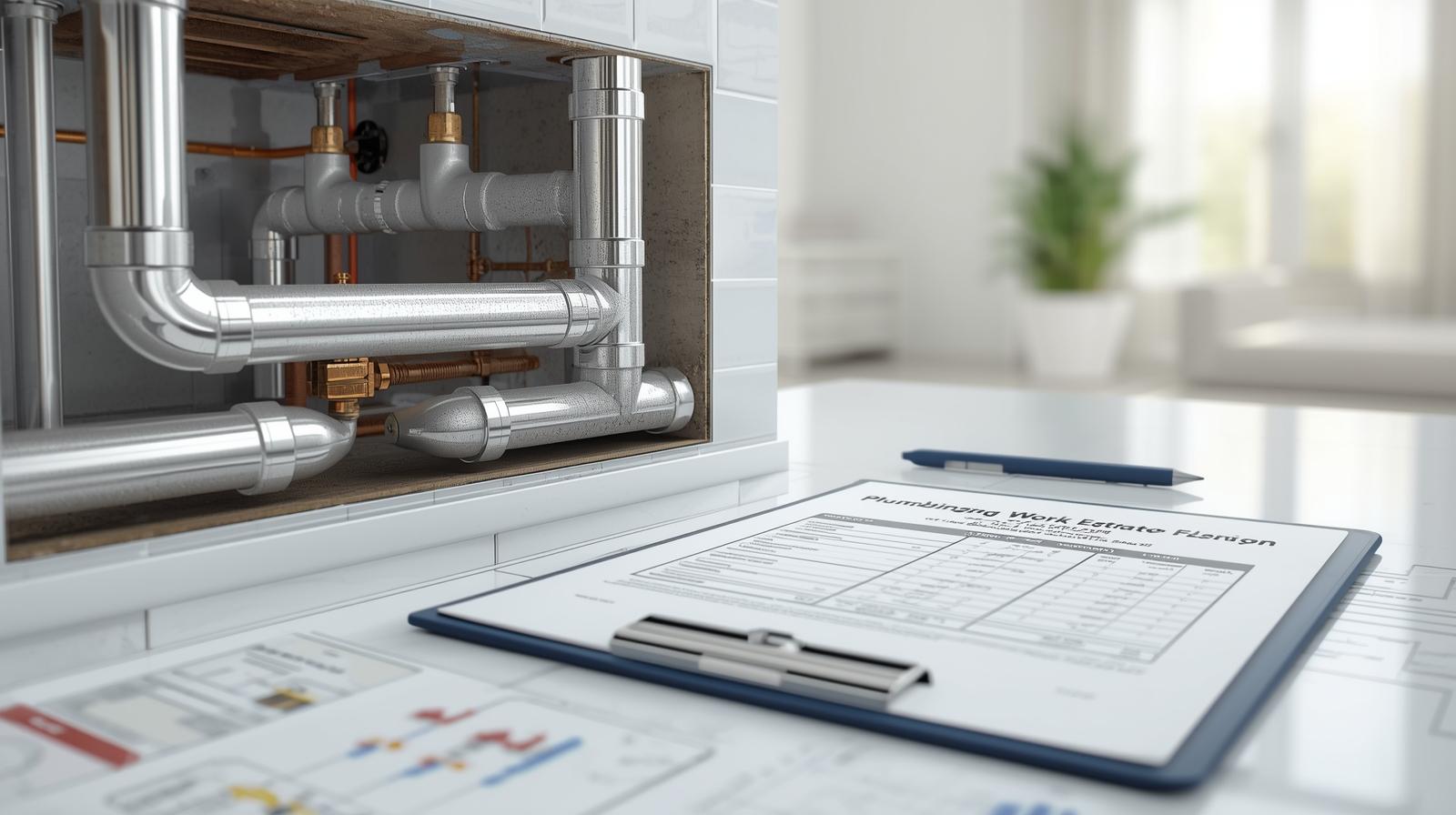
Plumbing is one of the most critical components of any construction or remodeling project — and one of the easiest areas for cost overruns if not estimated accurately. A well-prepared plumbing estimate ensures proper budgeting, avoids last-minute surprises, and keeps the project on track from planning to completion.
In this guide, we’ll break down the common mistakes estimators make, explain how to calculate plumbing costs more precisely, and provide realistic cost ranges to use in your next project.
Why Plumbing Estimates Matter
Plumbing systems are complex networks of pipes, fittings, fixtures, and labor that all affect the total project cost. Whether you’re building a new home or renovating an existing one, plumbing represents a significant portion of the total construction budget — often between 10% and 15% of total building costs.
Accurate estimation matters because:
- Plumbing involves both visible and hidden work.
- Small errors in material quantity or fixture pricing can add up quickly.
- Labor productivity varies based on design complexity, layout, and accessibility.
A precise plumbing estimate not only improves financial control but also helps ensure that bids remain competitive and realistic.
Key Components in a Plumbing Estimate
A professional plumbing estimate covers all materials, labor, and overhead costs. Here’s what to include:
1. Rough-In Work
This includes installing pipes, drains, and vents that will be concealed within walls and floors. Rough-ins are the foundation of the entire system, and mistakes here can be costly to fix later.
2. Fixtures and Fittings
These include sinks, toilets, bathtubs, faucets, and other visible elements. Always check current retail pricing, as fixture costs vary widely depending on quality and brand.
3. Material Costs
Materials include copper, PEX, PVC, and cast-iron pipes, plus valves, connectors, and insulation. Material selection has a direct impact on both price and installation time.
4. Labor Costs
Plumbing labor rates depend on project type, region, and skill level. Most plumbers charge between $60 and $150 per hour, with higher rates in urban or high-demand areas.
5. Testing and Inspections
Pressure tests, leak tests, and municipal inspections should all be factored into the total estimate. These steps are essential for ensuring code compliance and safety.
6. Contingencies
Add a 5–10% contingency allowance to account for unexpected site conditions, material changes, or code upgrades that may arise during construction.
Common Mistakes in Plumbing Estimation
Even experienced estimators can overlook small details that turn into big budget problems. Here are the most frequent mistakes — and how to avoid them.
1. Ignoring Site Conditions
Failing to consider factors like foundation type, access to utility lines, or existing plumbing layouts can cause significant labor and material adjustments.
2. Not Accounting for Code Compliance
Building codes differ across states and municipalities. Always verify pipe sizing, venting, and fixture requirements to avoid costly rework after inspections.
3. Overlooking Fixture Allowances
Homeowners or clients often upgrade fixtures after the estimate is finalized. Set clear fixture allowances in the estimate to avoid disputes later.
4. Underestimating Labor Time
Complex plumbing layouts — especially in remodels — take longer to install. Use past job data or standard productivity rates to estimate time accurately.
5. Skipping Permit and Inspection Fees
Some projects require multiple permits and city inspections. Failing to include them in the estimate leads to unplanned expenses and scheduling delays.
6. Not Updating Material Prices
Copper, PVC, and steel prices fluctuate frequently. Using outdated supplier prices can make your bid uncompetitive or unprofitable.
Average Plumbing Cost Ranges in the US
While every project is unique, the following cost ranges provide a general benchmark for typical plumbing work in the US:
| Type of Work | Average Cost Range (USD) |
|---|---|
| New Home Plumbing (Full System) | $7,000 – $15,000 |
| Bathroom Remodel Plumbing | $1,500 – $5,000 |
| Kitchen Plumbing Installation | $1,200 – $3,500 |
| Drain Line Replacement | $1,000 – $4,000 |
| Pipe Repairs (per linear foot) | $50 – $200 |
| Water Heater Installation | $800 – $2,500 |
| Leak Detection & Repair | $150 – $1,000 |
Note: Labor rates and material prices vary significantly by region and project complexity. Always adjust these averages according to local data and recent supplier quotes.
Tips for More Accurate Plumbing Estimates
To improve accuracy and profitability in plumbing bids, follow these proven estimation practices:
- Use Updated Cost Databases
Subscribe to regional cost guides or use construction estimating software that updates material and labor prices regularly. - Break Down the Scope of Work
Divide estimates into clear phases — rough-in, finish, testing, and inspection — to avoid overlap and confusion. - Verify Labor Productivity Rates
Use time-tracking from previous jobs to build realistic labor models for similar projects. - Add Contingencies for Remodels
Renovation projects often reveal hidden plumbing issues once walls are opened. A 10% contingency helps cover unexpected changes. - Collaborate with Field Teams
Site supervisors and experienced plumbers can provide valuable insight on practical challenges that affect cost and time. - Document Everything
Keep detailed notes on assumptions, pricing sources, and measurement methods. This helps justify costs during client discussions or audits.
Final Thoughts
Plumbing estimation is as much about experience as it is about numbers. By recognizing the key components, avoiding common mistakes, and keeping cost data current, you can develop estimates that are both competitive and profitable.
A well-prepared plumbing estimate doesn’t just protect your bottom line — it ensures smoother execution, satisfied clients, and fewer budget disputes throughout the construction process.