
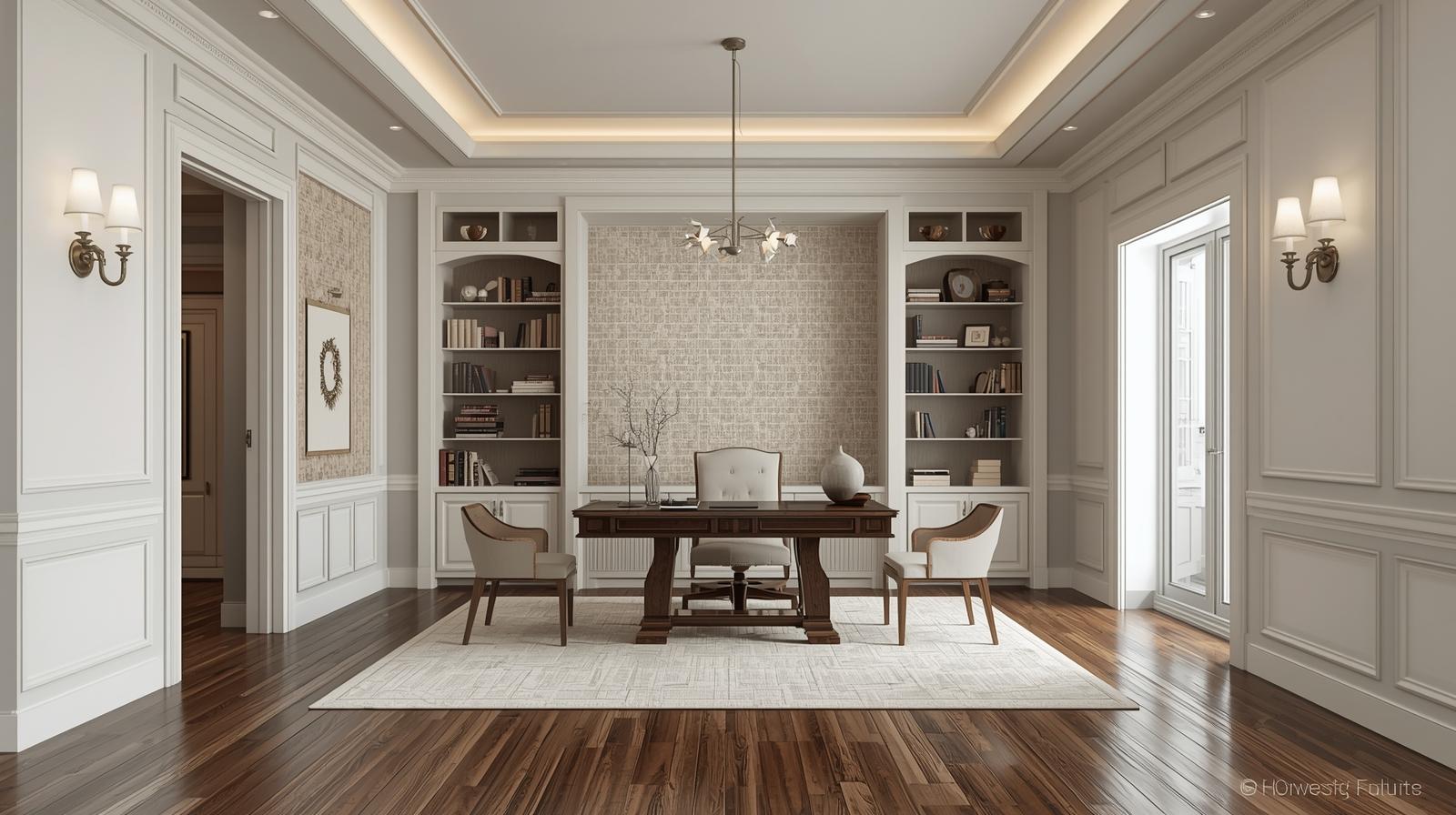
Interior finishing is the stage where a structure transforms from a shell into a livable, functional, and aesthetically appealing space. It’s also one of the most cost-sensitive and design-dependent phases in construction — and where accurate estimation can make or break a project’s profitability.
In this guide, we’ll explore the key cost components, design factors, and estimation methods that affect interior finishing work across residential and commercial projects in the United States.
Why Interior Finishing Estimation Is Critical
Interior finishes directly influence project budgets, timelines, and client satisfaction. Unlike structural or mechanical work, finishing involves materials and craftsmanship that are highly visible and subjective in value.
An accurate estimate ensures that:
- Clients receive realistic pricing before design approval
- Contractors avoid cost overruns due to design changes
- The project maintains profitability despite aesthetic upgrades
Since most finishing tasks are labor-intensive and detail-oriented, even minor oversights can lead to unexpected costs or delays.
Key Components of Interior Finishing Costs
A comprehensive interior finishing estimate should include all materials, labor, and installation overheads. Below are the primary elements that shape the total cost.
1. Wall Finishes
This includes drywall installation, plastering, painting, wall panels, and specialty coatings.
- Drywall installation: $1.50 – $3.00 per sq. ft.
- Interior painting: $2.00 – $6.00 per sq. ft. depending on paint quality and prep work
- Wall paneling: $10 – $40 per sq. ft. for wood or decorative finishes
2. Floor Finishes
Flooring options range from budget vinyl to luxury hardwood or tile. Each comes with distinct installation costs.
- Vinyl or laminate flooring: $2.00 – $5.00 per sq. ft.
- Hardwood flooring: $8.00 – $14.00 per sq. ft.
- Ceramic or porcelain tiles: $6.00 – $12.00 per sq. ft.
3. Ceiling Finishes
Standard ceilings use drywall, but many modern projects include suspended ceilings, acoustic panels, or decorative plasterwork.
- Basic drywall ceiling: $2.00 – $4.50 per sq. ft.
- Acoustic ceiling panels: $3.00 – $6.00 per sq. ft.
- Decorative or coffered ceilings: $10 – $25 per sq. ft.
4. Doors and Windows
Door and window trim, casing, and installation are often priced separately in estimates.
- Interior doors: $250 – $700 each, depending on material and design
- Trim and casing: $3.00 – $7.00 per linear foot
5. Cabinetry and Millwork
Custom cabinetry, molding, and trim are major cost drivers in high-end projects.
- Kitchen cabinets: $8,000 – $25,000 for an average-sized kitchen
- Crown molding and baseboards: $4.00 – $10.00 per linear foot
6. Lighting Fixtures and Installation
Lighting design is a blend of functionality and aesthetics.
- Standard fixtures: $100 – $300 each
- Designer fixtures: $500 – $1,500 or more
- Labor for electrical finish work: $50 – $120 per hour
7. Hardware and Accessories
Handles, knobs, railings, and decorative trims often get overlooked in initial budgets but can collectively add up to thousands of dollars.
Common Estimation Mistakes to Avoid
Interior finishing estimates are highly detailed — and errors often occur when focus shifts toward visual outcomes instead of technical accuracy. Here are some of the most common pitfalls:
1. Ignoring Design Revisions
Interior designs evolve during construction. Failing to account for potential design changes can leave you under-budgeted once selections are finalized.
2. Overlooking Material Waste Factors
Cutting and trimming flooring, tiles, and drywall generate material waste. Always include a 5–10% waste factor in your material quantities.
3. Underestimating Labor Intensity
Intricate finishes like crown molding, wall textures, or custom cabinetry take longer to install than standard finishes. Adjust labor hours based on project complexity.
4. Not Including Specialty Trades
Tasks like decorative painting, stone veneer installation, or acoustic paneling may require subcontractors. Their rates differ from general labor.
5. Using Generic Unit Prices
Finishes vary drastically in price depending on brand and region. Use current supplier quotes or verified cost databases for accurate numbers.
6. Skipping Allowances
Establish finish allowances per room category (e.g., flooring, fixtures, cabinetry) to protect against client-driven upgrades after contract signing.
Regional Cost Variations
Interior finishing costs differ by region due to labor rates, material availability, and design preferences.
- West Coast: Premium design demand and high labor costs push prices up to 25% above the national average.
- Midwest: Balanced pricing due to a steady mix of local suppliers and moderate wages.
- Northeast: Tight building codes and complex design standards increase both material and labor costs.
- South: Generally lower rates, though luxury projects in urban areas may rival coastal pricing.
Estimators should adjust their unit costs using regional cost indices or verified supplier data.
Key Design Factors That Influence Costs
Design and aesthetics heavily impact the interior finishing budget. Some of the biggest cost influencers include:
1. Material Selection
The difference between standard drywall and Venetian plaster, or laminate and natural hardwood, can double or triple costs per square foot.
2. Complexity of Design
Curved walls, custom trims, and unique ceiling patterns require additional time and skilled labor.
3. Space Functionality
Finishing requirements differ between residential spaces, offices, and retail interiors — each with unique durability and aesthetic expectations.
4. Sustainability Choices
Eco-friendly paints, reclaimed materials, and energy-efficient lighting often cost more upfront but may qualify for green certifications or rebates.
5. Client Preferences
Luxury finishes, imported materials, or bespoke design elements are typically the most unpredictable cost factors in estimating.
Average Cost Breakdown for Interior Finishing (Per Square Foot)
| Finish Type | Basic Range | Mid-Range | High-End |
|---|---|---|---|
| Walls & Paint | $3 – $6 | $7 – $12 | $15+ |
| Flooring | $2 – $5 | $6 – $10 | $12+ |
| Ceilings | $2 – $4 | $5 – $9 | $10+ |
| Trim & Millwork | $3 – $7 | $8 – $12 | $15+ |
| Lighting | $4 – $8 | $9 – $14 | $20+ |
| Cabinets | $40 – $80/linear ft | $90 – $150 | $200+ |
These figures represent general benchmarks — adjust them for regional factors, project scale, and material availability.
Tips for More Accurate Interior Finishing Estimates
- Collaborate Early with Designers
Get finish selections finalized before pricing to reduce revisions. - Use Digital Takeoff Tools
Estimating software improves accuracy when measuring wall areas, linear trims, and floor coverage. - Track Historical Data
Maintain a cost library of previous projects to benchmark new estimates. - Apply Contingency Margins
Add 5–10% contingency for unpredictable design or material changes. - Document Assumptions Clearly
Clarify which finishes and quality grades are included to prevent disputes with clients or subcontractors. - Factor in Lead Times
Imported or custom finishes may require longer delivery schedules that affect project sequencing.
Final Thoughts
Interior finishing estimation is an art that blends technical precision with creative understanding. By considering material choices, regional costs, and design complexities, estimators can prepare budgets that are both accurate and flexible.
Ultimately, well-prepared finishing estimates lead to smoother project execution, higher client satisfaction, and a more profitable construction workflow.