
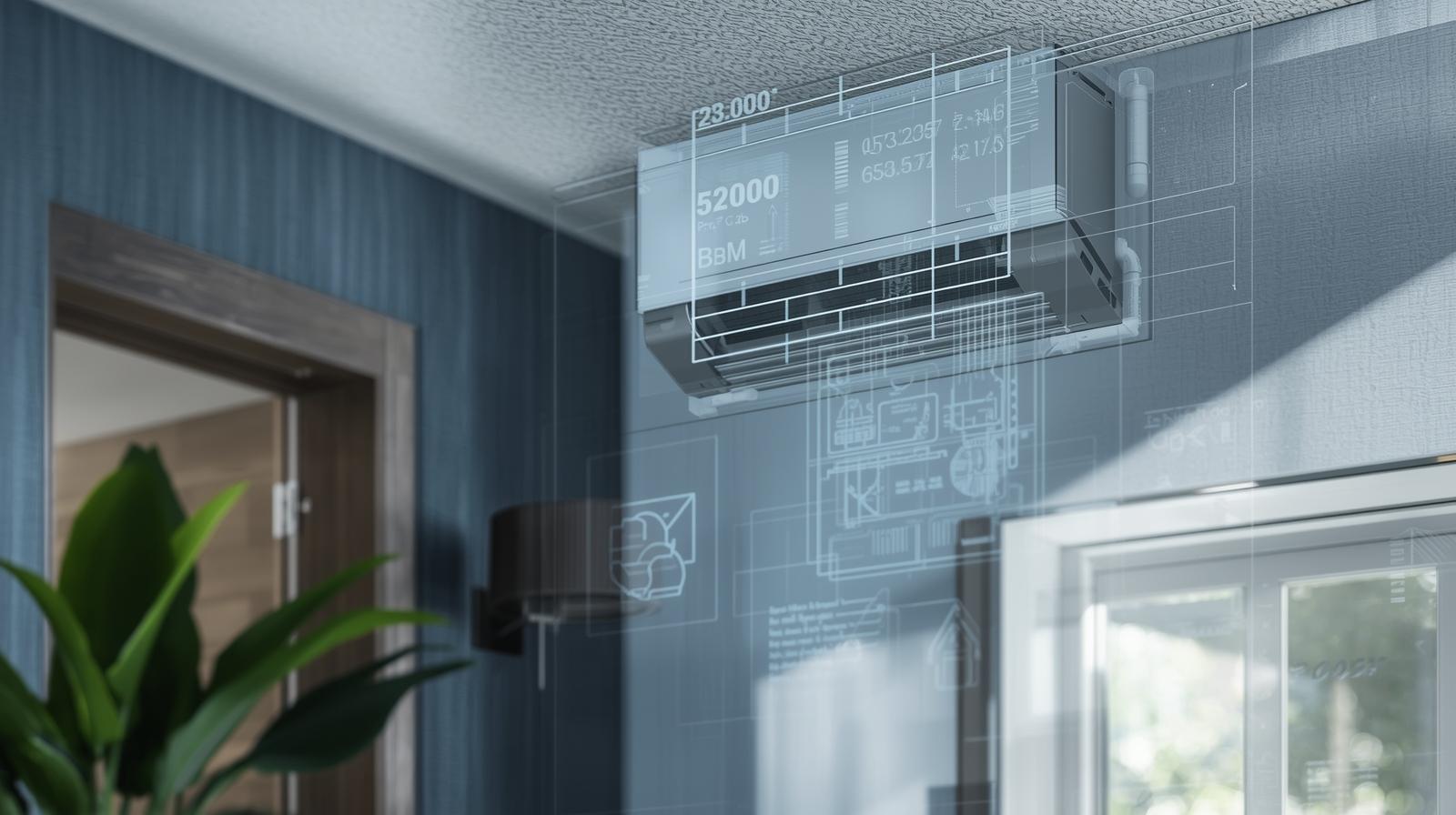
Heating, Ventilation, and Air Conditioning (HVAC) systems play a critical role in modern construction projects — maintaining comfort, indoor air quality, and energy efficiency. But beyond functionality, HVAC systems are one of the most expensive mechanical components in any building.
Accurate HVAC cost estimation helps contractors and project owners budget effectively, avoid overruns, and select the right system for performance and longevity. This guide explains HVAC installation costs from planning to execution, including key factors, regional variations, and cost-saving tips.
Why HVAC Estimation Matters
HVAC work affects nearly every part of a project — from electrical loads to ceiling layouts and insulation requirements. An inaccurate estimate can derail timelines, inflate budgets, or compromise system performance.
A solid estimate provides:
- Clear visibility into material and labor costs.
- A predictable project schedule.
- Compliance with energy codes and building standards.
- Better control over subcontractor bids and supplier pricing.
In short, accurate HVAC estimating bridges the gap between design and execution — keeping both profitability and performance aligned.
Key Components of an HVAC Estimate
A complete HVAC estimate covers materials, equipment, labor, and indirect costs. Here’s a breakdown of the most critical components.
1. HVAC Equipment
The system type and capacity drive the majority of costs. Key equipment includes:
- Furnaces and boilers
- Air conditioners and heat pumps
- Air handlers and condensers
- Ductwork and dampers
- Thermostats and controls
- Ventilation fans and filters
System size depends on the building’s square footage, insulation quality, occupancy, and climate zone. Oversized systems waste energy; undersized systems struggle to maintain comfort — both costly mistakes that stem from poor estimation.
2. Materials and Accessories
Additional items often overlooked include:
- Refrigerant lines and insulation
- Duct sealants, tapes, and hangers
- Electrical wiring and breakers
- Drain lines and condensate pumps
- Mounting hardware and platforms
These materials typically make up 10–20% of total project cost but are vital for performance and compliance.
3. Labor Costs
HVAC installation labor varies with system type, project scale, and region. Labor covers:
- Equipment setup and duct installation
- Electrical and plumbing connections
- System testing and commissioning
- Removal of old systems (for retrofits)
Average U.S. HVAC labor rates (2025):
- Residential installations: $60–$85 per hour
- Commercial systems: $75–$120 per hour
- Industrial/complex systems: $120–$180 per hour
Labor can account for 30–40% of the total cost, making accurate crew hour forecasting essential.
Average HVAC Installation Costs in 2025
Costs vary widely depending on the type of system and project complexity. Below are average U.S. ranges to use as baseline estimates:
| HVAC System Type | Average Total Cost | Cost per Sq. Ft. |
|---|---|---|
| Central Air (Residential) | $5,000 – $12,000 | $3 – $6 |
| Ductless Mini-Split | $3,000 – $8,000 | $2 – $5 |
| Heat Pump System | $6,000 – $14,000 | $4 – $8 |
| Commercial Rooftop Unit | $12,000 – $40,000+ | $7 – $15 |
| Industrial HVAC Systems | $50,000 – $250,000+ | $10 – $25 |
Note: Pricing includes equipment, labor, and basic ductwork. Advanced control systems, energy management, or zoning increase costs further.
Step-by-Step: From Estimation to Execution
A structured estimating and execution process ensures efficiency and consistency from bid to installation.
Step 1: Review Plans and Load Requirements
Start with HVAC drawings and mechanical schedules. Identify tonnage, airflow, duct layouts, and zoning. Confirm the load calculations (BTU or tonnage) align with design specs and local climate data.
Step 2: Perform Material Takeoffs
Use digital tools to measure duct lengths, fittings, registers, and piping. Include all accessories and fasteners — even minor items add up over multiple systems.
Step 3: Apply Unit Pricing and Labor Factors
Assign cost units for each component based on supplier quotes or cost databases. Adjust labor productivity for ceiling heights, site accessibility, and project type (retrofit vs. new build).
Step 4: Account for Permits and Testing
Include fees for mechanical permits, testing, and balancing (TAB), which are often required by code.
Step 5: Finalize with Overhead and Profit
Add typical overhead (10–20%) and profit margins (8–15%) for a realistic total. Review all assumptions with the project manager before submitting the bid.
Regional Cost Differences in the U.S.
HVAC costs fluctuate regionally due to climate, labor availability, and code requirements.
| Region | Cost Trend | Common Influences |
|---|---|---|
| West Coast | High | Strict energy codes, labor rates, green compliance |
| Northeast | High | Dense cities, older building retrofits |
| South | Moderate | High cooling demand, lower labor costs |
| Midwest | Moderate | Balanced market with consistent pricing |
| Mountain States | Rising | Rapid construction growth and supply chain limits |
Local energy codes, such as Title 24 in California or IECC in the Midwest, can significantly affect design and installation costs.
Common Estimating Mistakes and How to Avoid Them
- Ignoring Ductwork Complexity
Duct design and fabrication are major cost drivers. Simplify layouts and avoid unnecessary transitions to save materials and labor. - Underestimating Electrical Requirements
Many HVAC systems require dedicated circuits or higher ampacity. Coordinate closely with the electrical estimator to avoid rework. - Overlooking Code Compliance Costs
Energy efficiency standards often require testing, sealing, or upgraded insulation — all of which affect budget. - Forgetting Crane or Lift Rentals
Commercial rooftop units often need lifting equipment. Include crane time and site logistics in the estimate. - Failing to Account for Seasonal Pricing
HVAC equipment prices often rise in spring and summer when demand peaks. Schedule procurement early for savings.
The Role of Technology in HVAC Estimation
Technology has revolutionized mechanical estimating. Software and AI-driven tools streamline everything from takeoffs to labor forecasting.
Modern estimating tools offer:
- Automated material takeoffs from digital drawings.
- Real-time pricing updates from major suppliers.
- Labor hour forecasting based on system complexity.
- Integration with BIM and scheduling software.
Contractors using digital estimating systems report 10–15% higher bid accuracy and reduced project delays.
From Estimation to On-Site Execution
Once the estimate is approved and work begins, coordination becomes key. Proper execution depends on communication between estimating, project management, and field teams.
Execution essentials include:
- Confirming delivery schedules for equipment and materials.
- Reviewing duct and piping layouts with site supervisors.
- Coordinating with electrical and plumbing trades for shared space.
- Testing and balancing after installation to ensure system performance.
Tracking field progress against the original estimate helps refine future bids and maintain accountability.
Cost-Saving Strategies Without Cutting Quality
- Value Engineering: Explore alternative brands or systems that meet design intent but lower initial costs.
- Pre-Fabrication: Fabricating duct sections off-site reduces installation time and waste.
- Energy Modeling: Use modeling tools to right-size systems rather than oversizing.
- Bulk Purchasing: Order major components early or in volume for discounts.
- Preventive Coordination: Collaborate early with architects and engineers to minimize rework.
These strategies help balance efficiency, performance, and cost control throughout the project lifecycle.
Conclusion
HVAC estimation goes far beyond simple equipment pricing — it’s an integrated process that connects design, cost control, and on-site execution. By understanding system components, regional cost variations, and workflow coordination, estimators can deliver precise, profitable results.
In a market where sustainability, performance, and cost efficiency drive competition, mastering HVAC estimating is essential for every contractor and project manager aiming for long-term success.