
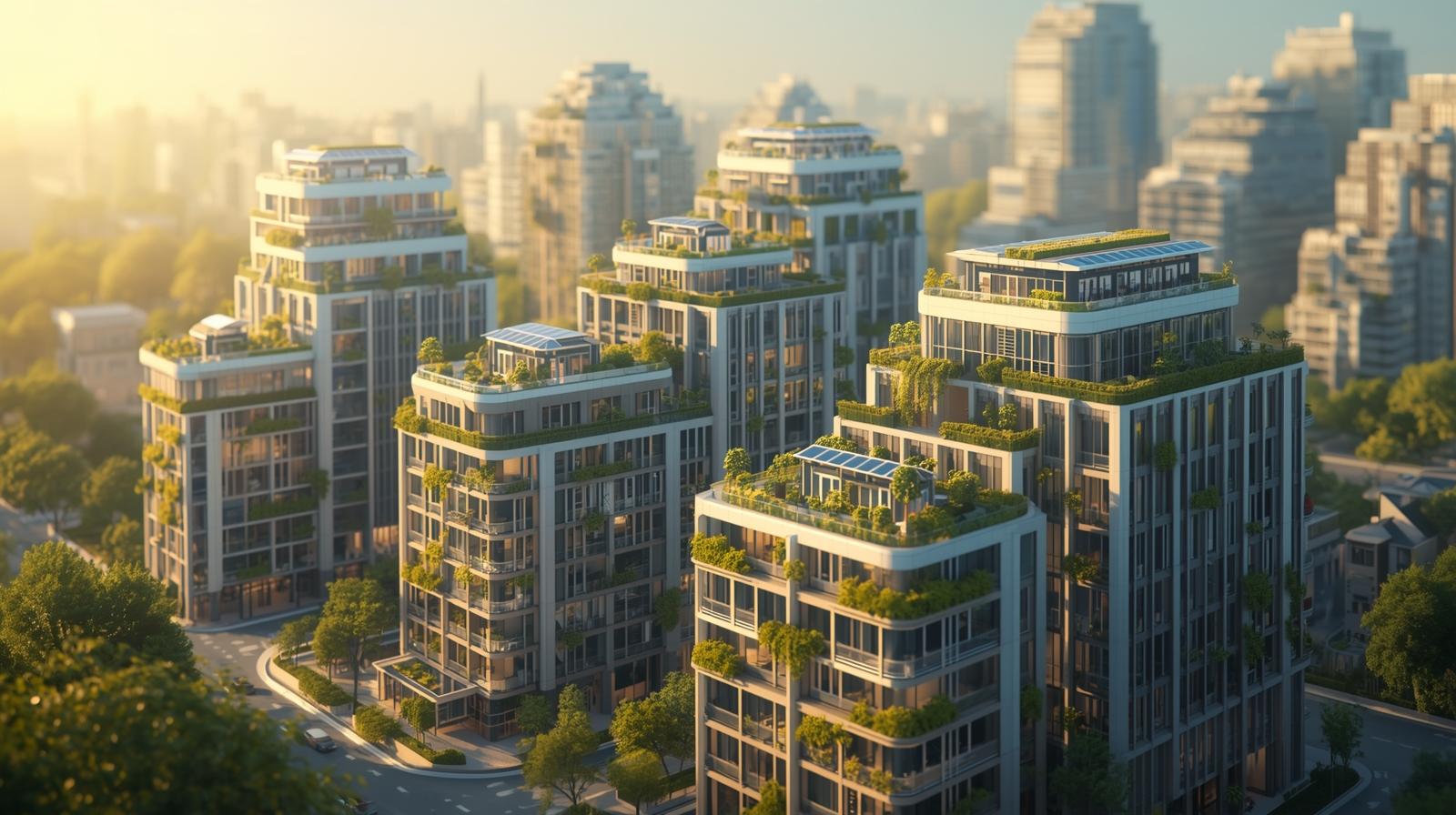
Energy-efficient buildings are transforming the construction landscape across the United States. With rising energy costs, environmental concerns, and evolving sustainability standards, both residential and commercial sectors are adopting energy-smart designs to reduce consumption and improve building performance. These structures are not just about cutting bills—they reflect a complete shift toward greener construction, regulatory compliance, and smarter resource use.
This article explores what makes a building energy-efficient, how it’s achieved, and why it’s becoming the benchmark for modern construction.
What Defines an Energy-Efficient Building?
An energy-efficient building is designed and built to minimize energy waste while maintaining comfort, safety, and functionality. This involves optimizing insulation, HVAC systems, lighting, windows, and overall structural performance.
Key defining features include:
- High-performance insulation for thermal regulation
- Energy-efficient windows and doors that prevent leaks
- Smart HVAC systems that adapt to occupancy and climate conditions
- LED lighting and sensor-based energy management
- Renewable energy integration, such as solar panels
- Energy-efficient materials with low embodied carbon
Core Principles Behind Energy Efficiency
Energy-efficient construction follows certain universal principles aimed at achieving maximum output with minimal waste.
1. Building Envelope Optimization
The building envelope—walls, windows, roofs, and floors—acts as a barrier against external climate conditions. Proper insulation and air sealing help reduce heat transfer and maintain consistent indoor temperatures, leading to significant energy savings.
2. Passive Design Strategies
Passive design uses natural elements like sunlight, ventilation, and shading to maintain comfortable temperatures without heavy reliance on mechanical systems. Examples include strategic window placement, thermal mass utilization, and green roofs.
3. Smart Energy Management
Modern energy-efficient buildings use IoT-enabled systems that monitor and adjust power use in real time. Automated controls can dim lights, adjust HVAC settings, and even reroute energy to optimize performance.
4. Renewable Energy Integration
Incorporating renewable sources such as solar, geothermal, or wind reduces dependence on fossil fuels and can significantly lower operational costs over time.
Why Energy Efficiency Matters in Construction
Economic Benefits
While initial costs for energy-efficient materials and systems can be higher, they provide substantial long-term savings through reduced energy consumption and maintenance. According to multiple U.S. construction studies, energy-efficient homes can reduce energy bills by up to 40% compared to conventional structures.
Environmental Impact
Buildings account for roughly 40% of global CO₂ emissions. Energy-efficient construction helps reduce this footprint, supporting national sustainability goals and green certification programs like LEED and ENERGY STAR.
Enhanced Comfort and Health
Better air quality, consistent temperature control, and reduced indoor pollutants make energy-efficient buildings healthier and more comfortable for occupants.
Increased Property Value
Buyers and investors are increasingly attracted to properties with sustainable features, making energy efficiency a key differentiator in real estate value and resale potential.
Technologies Driving Energy-Efficient Construction
1. Smart HVAC and Ventilation Systems
These systems use variable-speed compressors and smart sensors to optimize heating and cooling based on occupancy levels.
2. Advanced Insulation Materials
Materials like spray foam, rigid foam boards, and vacuum-insulated panels provide superior thermal performance, minimizing heat loss.
3. Smart Glass and Dynamic Windows
These windows can adjust their tint automatically based on sunlight intensity, improving comfort and energy savings.
4. Solar and Battery Integration
Solar panels paired with energy storage solutions ensure reliable power while minimizing grid dependency.
5. Building Information Modeling (BIM)
BIM technology allows architects and engineers to simulate building performance and energy usage before construction begins, enabling efficient design decisions.
Challenges in Implementing Energy-Efficient Designs
Despite its clear advantages, energy-efficient construction faces challenges such as:
- High upfront costs for materials and technology
- Lack of skilled labor trained in green construction methods
- Complex regulatory compliance across different states
- Limited awareness among homeowners and small contractors
However, as technology becomes more affordable and government incentives increase, these barriers are gradually decreasing.
Future of Energy-Efficient Construction in the U.S.
The push toward net-zero buildings—structures that generate as much energy as they consume—is gaining strong momentum. Federal and state governments are incentivizing green construction through tax credits, rebates, and sustainability programs.
With the increasing adoption of AI-based energy monitoring systems, modular building methods, and smart grid integration, the next decade is set to redefine construction efficiency and environmental responsibility.
Conclusion
Energy-efficient buildings are not just a passing trend—they are the foundation of future-ready construction. Their integration of smart design, renewable energy, and sustainable materials demonstrates how the U.S. construction industry is evolving toward cost-effective and environmentally responsible solutions.
For contractors, developers, and property owners, investing in energy-efficient designs means ensuring long-term economic value, compliance with future standards, and a meaningful contribution to environmental conservation.
Last fact-checked and editorially reviewed on November 02, 2025 .
How we created & reviewed this content:
The content in this article has been gone through our editorial process and currently reliable.
DISCLAIMER
Profound Estimates besides its services, also provides independent, fact-checked information about construction estimates and material takeoffs for general reference only and images on this site maybe AI-Assisted where appropriate and relevant. See our Disclaimer for details.
INFORMATION SOURCES
Profound Estimates follows strict sourcing standards, relying only on credible, verifiable data from manufacturers, industry benchmarks, and reputable publications. Learn more about how we ensure content accuracy and transparency in our Editorial Policy.
- U.S. Department of Energy – Building Technologies Office
- Environmental Protection Agency (EPA) – ENERGY STAR Buildings Program
- U.S. Green Building Council (USGBC) – LEED Certification Guidelines
- National Renewable Energy Laboratory (NREL) – Energy Efficiency Studies
- American Council for an Energy-Efficient Economy (ACEEE) Reports
- International Energy Agency – Global Building Efficiency Reports
- Building Energy Modeling (BEM) Research Studies
- Smart Buildings Alliance – Technology Integration Insights
- ASHRAE Standards for Energy-Efficient Design
- Construction Industry Institute (CII) – Green Construction Practices
- Journal of Sustainable Architecture and Engineering
- National Institute of Building Sciences – High-Performance Building Reports
EDITORIAL HISTORY
Our team of writers, editors, and reviewers continually monitors the mobile industry and updates articles when new information becomes available. See how we maintain transparency and editorial integrity in our Editorial Policy.
- Current version
- Edited by Emily Carter
- November 02, 2025
- Written by Michael R. Jennings
- Edited by Emily Carter
- Editorially reviewed by Patricia Howard
DISCUSSION & FEEDBACK
We value reader insights and industry feedback to help us keep our content accurate and relevant. Learn how we handle reviews, corrections, and updates in our Editorial Policy.
- Leave a feedback on this post update at Reddit and Youtube.
CITE & SHARE IT
You’re welcome to cite and share profound estimates content for reference with proper attribution and a link back to the original article — helping more readers access trustworthy, well-researched construction information.