
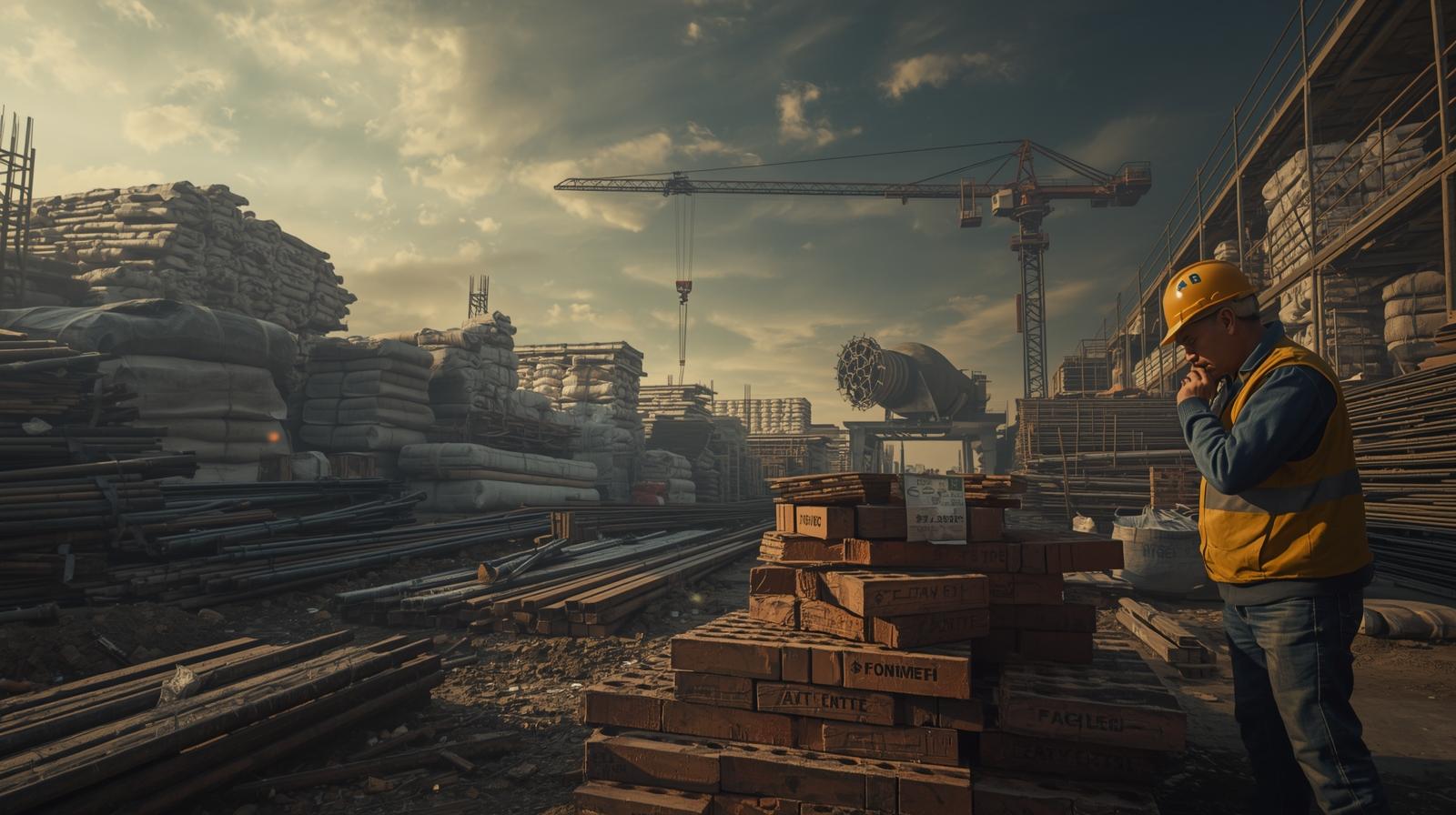
The construction industry has always been sensitive to changes in the global supply chain — and in recent years, those effects have become more visible than ever. From lumber shortages to shipping delays, material prices across the US construction sector have fluctuated dramatically. These disruptions not only affect contractors but also homeowners, developers, and cost estimators who need accurate, real-time data to prepare budgets.
Why Supply Chain Stability Matters in Construction
Every construction estimate relies heavily on material costs — often representing more than 60% of a project’s total expense. When prices for key materials like steel, concrete, copper, or lumber rise unpredictably, even small projects can face major cost overruns.
A stable supply chain ensures:
- Predictable pricing and delivery schedules
- Consistent quality control
- Better cash flow management for contractors and builders
But when that stability is disrupted, the ripple effects hit every stage of the project — from design to completion.
Key Supply Chain Issues Affecting Material Prices in 2025
1. Global Shipping Delays
Longer lead times from overseas suppliers have driven up freight costs and forced contractors to use more expensive local alternatives. Many US ports still experience backlogs from fluctuating import volumes.
2. Raw Material Shortages
Raw materials like steel and aluminum face periodic shortages due to rising energy costs and limited global production. This leads to bidding wars among manufacturers — directly pushing prices higher.
3. Inflation and Fuel Costs
High fuel prices increase the cost of transportation, mining, and manufacturing, ultimately inflating the price of nearly every building material.
4. Geopolitical Tensions
Global conflicts and trade restrictions — particularly involving key exporters like China or Russia — disrupt availability of materials such as rebar, copper wire, and PVC components.
5. Domestic Labor Gaps
Even within the US, labor shortages in trucking, warehouse operations, and manufacturing slow down production and distribution networks.
How These Issues Translate into Price Increases
| Material | Average Price Increase (2024–2025) | Primary Cause |
|---|---|---|
| Lumber | +18% | Limited supply, high shipping costs |
| Steel | +12% | Global energy costs, import tariffs |
| Concrete | +9% | Fuel and transportation inflation |
| Copper | +15% | Global demand and mining delays |
| Drywall & Insulation | +7% | Supply chain congestion, energy inputs |
These figures represent national averages; local fluctuations may vary depending on region and supplier networks.
Regional Effects Across the U.S.
- West Coast: Hit hardest by port congestion and shipping costs from Asia.
- Midwest: Slightly more stable due to regional manufacturing, but concrete costs are rising fast.
- Northeast: Facing high insulation and steel costs due to urban demand.
- South: Material costs remain moderate but heavily influenced by fuel price changes.
Estimation Tips to Manage Supply Chain Fluctuations
- Include a price escalation clause in your bids and contracts.
- Lock in material prices early — negotiate supplier agreements before project approval.
- Use regional data when preparing estimates instead of relying on national averages.
- Add contingency margins (10–20%) for volatile materials like steel or copper.
- Diversify suppliers to reduce dependency on a single manufacturer or region.
The Long-Term Outlook
While global logistics are gradually improving, experts expect price volatility to remain through at least 2026. The rise of domestic manufacturing hubs in the US — especially for steel, glass, and cement — may help stabilize costs over time, but for now, estimators and contractors must plan for uncertainty.
Conclusion
Supply chain issues have redefined how construction professionals approach cost estimation. In today’s market, success depends not only on accurate takeoffs but also on anticipating volatility and building flexibility into every bid.
By tracking global and local supply chain trends, contractors can stay competitive — even in an unpredictable materials market.