
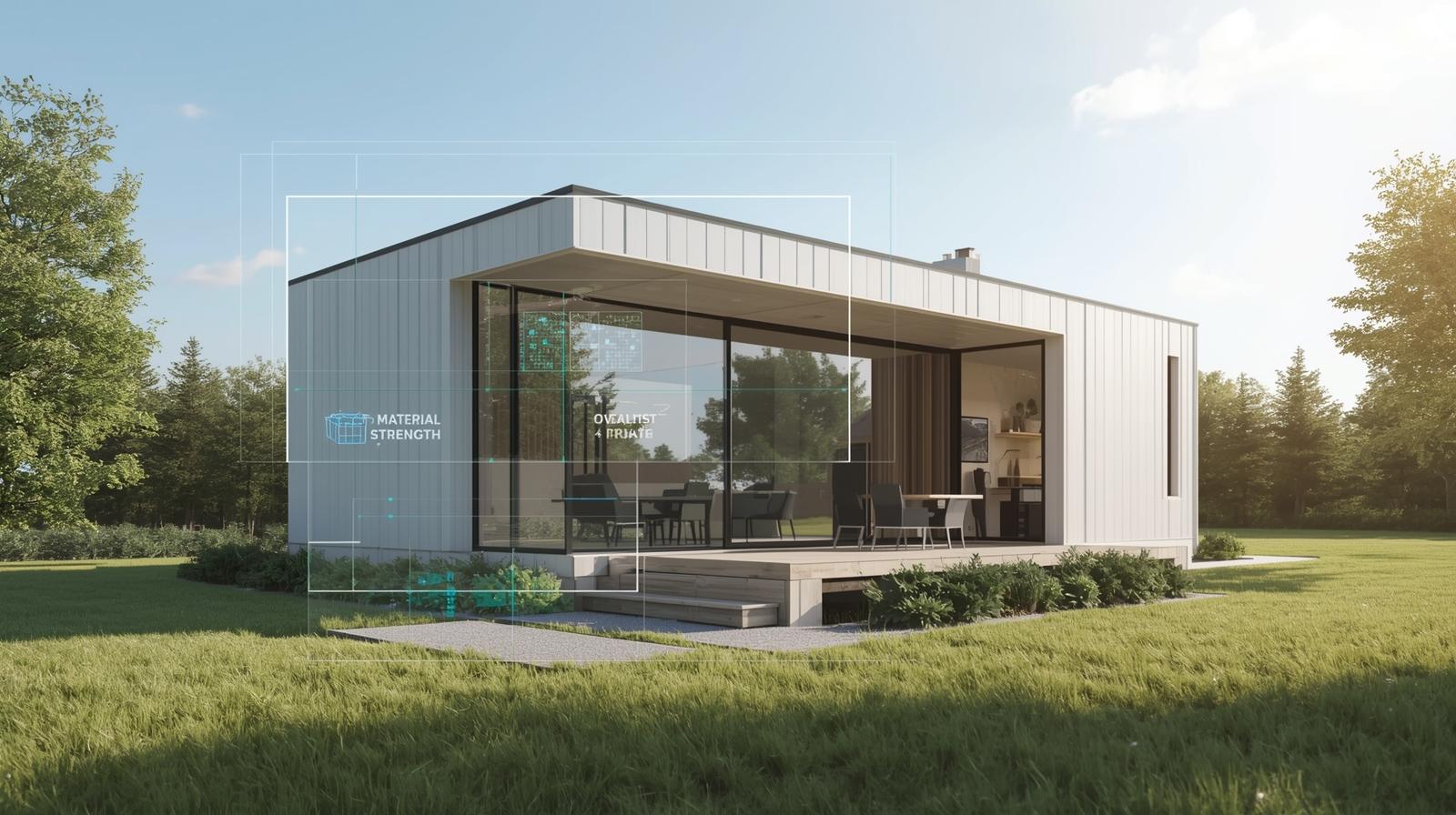
Prefabricated homes — often called prefab or modular homes — have become one of the most practical and cost-efficient alternatives to traditional construction. As housing costs rise and project timelines shrink, both homeowners and builders are turning to prefabrication for quicker, cleaner, and more predictable construction results.
In this guide, we’ll analyze the true cost of prefabricated homes, their durability, and how they compare to conventional site-built housing in the long run.
1. What Are Prefabricated Homes?
A prefabricated home is a house built in a controlled factory environment, then transported in sections or modules to the construction site for final assembly. These homes are designed and engineered just like traditional houses but with much of the labor and precision completed off-site.
There are three primary categories of prefab homes:
- Modular Homes – Built in multiple large sections (modules) and assembled on-site on a permanent foundation.
- Panelized Homes – Walls, floors, and roofs are constructed in panels, then delivered and assembled like a large kit.
- Manufactured Homes – Built on a non-removable steel frame and transported fully assembled or in sections. These are often referred to as mobile homes.
Prefabricated homes are subject to the same building codes and inspections as site-built homes in most states, which ensures quality and safety standards.
2. Cost Analysis of Prefabricated Homes
One of the main reasons prefabricated homes are gaining popularity is cost efficiency. Building in a factory environment eliminates many of the variables that drive up traditional construction costs — like weather delays, on-site labor issues, and material waste.
Let’s break down the core cost components.
2.1 Average Cost per Square Foot
| Type of Prefab Home | Average Cost per Sq. Ft. (2025) | Typical Total Cost |
|---|---|---|
| Modular | $120 – $200 | $150,000 – $400,000 |
| Panelized | $100 – $180 | $130,000 – $350,000 |
| Manufactured | $70 – $120 | $80,000 – $250,000 |
By comparison, traditional site-built homes in 2025 cost an average of $200 – $350 per square foot, depending on region and material quality. That means prefabricated homes can be 25–40% more affordable.
2.2 Land and Site Preparation
While the structure is built off-site, the land cost remains separate. Key expenses include:
- Land purchase: $50,000 – $150,000 (varies widely by location)
- Site prep and foundation: $10,000 – $40,000
- Utility connections (water, power, sewer): $5,000 – $20,000
Total pre-construction costs can range from $65,000 to $200,000, depending on terrain, access, and zoning requirements.
2.3 Transportation and Assembly
Once the modules or panels are completed, they’re shipped to the site and installed with cranes. This process typically costs:
- Transportation fees: $5,000 – $15,000
- Assembly and finishing: $20,000 – $50,000
Even with these added expenses, prefab construction remains cost-effective because factory production reduces labor inefficiencies and waste.
2.4 Labor and Material Efficiency
Prefab home manufacturers buy materials in bulk and operate with standardized production systems.
This results in:
- 15–20% less material waste
- Fewer on-site labor hours (saving $10,000–$30,000)
- Reduced equipment rentals and project management costs
2.5 Cost of Upgrades and Customization
Modern prefab homes are no longer limited to simple designs. Buyers can customize finishes, layouts, and materials:
- Exterior upgrades (siding, roofing, insulation): $10,000 – $25,000
- Interior finishes (flooring, cabinetry, fixtures): $15,000 – $40,000
- Energy-efficient features (solar, smart systems): $5,000 – $20,000
While customization increases cost, it still keeps total spending below traditional builds of similar quality.
2.6 Total Cost Range
Taking all factors into account, a complete prefabricated home project (including land and setup) typically costs:
| Home Size | Average Total Cost (All-In) |
|---|---|
| Small (1,000 sq. ft.) | $150,000 – $220,000 |
| Medium (1,500–2,000 sq. ft.) | $200,000 – $350,000 |
| Large (2,500+ sq. ft.) | $300,000 – $500,000+ |
3. Durability Analysis of Prefabricated Homes
A common misconception about prefabricated homes is that they are less durable than traditional builds. However, the opposite is often true.
Because prefab modules must withstand transportation and crane lifting, they are engineered with enhanced structural integrity. Let’s explore the main durability aspects.
3.1 Structural Strength
Prefab homes are built under strict engineering standards and must meet or exceed local building codes.
In fact, modular sections are:
- Constructed with reinforced framing to endure highway travel.
- Fastened with stronger joints and adhesives.
- Often built with denser framing lumber than traditional site homes.
This results in equal or better strength and wind resistance, especially in modular homes installed on permanent foundations.
3.2 Weather and Climate Resistance
Prefab construction is ideal for regions with extreme weather patterns because:
- The controlled indoor factory environment prevents material warping, mold, and moisture absorption during assembly.
- Modules can be designed for specific regional needs — such as high wind zones or heavy snow loads.
- Modern insulation systems offer superior thermal efficiency, reducing both heating and cooling costs.
In hurricane-prone regions, some modular homes are rated for up to 175 mph wind resistance when anchored properly.
3.3 Lifespan and Maintenance
Prefab homes, especially modular and panelized designs, can easily last 50–100 years with proper maintenance — comparable to or better than traditional stick-built homes.
- Concrete or steel-framed prefab homes may exceed 100 years.
- Wood-framed modular homes generally last 60–80 years.
- Manufactured homes may have shorter lifespans (30–50 years), primarily due to lighter materials and movable foundations.
Maintenance requirements are similar to standard homes — routine inspections, repainting, and system upgrades over time.
3.4 Fire, Pest, and Mold Resistance
Prefab construction often uses treated lumber, engineered panels, and closed-cell insulation, all of which improve fire and pest resistance.
Since components are sealed in climate-controlled environments before site exposure, they are less prone to moisture buildup and mold formation.
3.5 Durability Comparison Chart
| Feature | Modular | Panelized | Manufactured | Traditional |
|---|---|---|---|---|
| Lifespan | 60–100 yrs | 50–80 yrs | 30–50 yrs | 60–100 yrs |
| Wind Resistance | Excellent | Good | Moderate | Good |
| Fire Resistance | High | Moderate | Moderate | High |
| Pest Resistance | High | High | Moderate | High |
| Maintenance Level | Low | Moderate | Moderate | Moderate |
| Weatherproofing | Strong | Good | Fair | Good |
4. Advantages of Prefabricated Homes
1. Faster Construction Timeline
Traditional home builds can take 6–12 months, while prefab homes are typically completed in 3–5 months, including site prep and installation.
2. Cost Predictability
Since 80–90% of the work occurs in a factory, weather and labor delays are minimized. This gives homeowners more budget certainty.
3. Energy Efficiency
Factory-built homes use precise insulation and sealing methods, reducing energy loss. Many prefab models are Energy Star–rated or ready for solar integration.
4. Sustainability
Prefab construction generates significantly less waste, making it one of the most sustainable building methods available.
5. Quality Control
Every module undergoes multiple inspections during production, ensuring consistency and adherence to code. The factory setting allows for precise cuts, measurements, and assembly not always achievable on job sites.
5. Challenges and Limitations
Despite their many benefits, prefabricated homes are not without challenges:
- Limited on-site customization: Once modules are built, design changes are costly or impractical.
- Transport restrictions: Wide-load shipments may require special permits or escorts, especially for large modules.
- Financing hurdles: Some lenders still have stricter conditions for prefab homes compared to traditional mortgages.
- Zoning restrictions: Certain areas have outdated regulations that may limit modular or manufactured installations.
However, as the prefab market grows, these challenges are being addressed by updated zoning laws and increased lender acceptance.
6. Long-Term Value and ROI
Prefab homes tend to hold value similarly to traditional homes when built on permanent foundations. Their lower initial cost, combined with energy efficiency and durability, creates excellent long-term return potential.
Key ROI Factors:
- Energy savings: 10–25% annual reduction in utility bills.
- Faster occupancy: Shorter construction means earlier move-in or rental income.
- Resale appeal: Modern prefab designs are highly desirable among eco-conscious buyers.
When maintained properly, a modular or panelized home can retain 85–95% of its resale value compared to traditional homes.
7. Future Outlook: Prefab Homes in 2025 and Beyond
With housing affordability tightening across major regions, prefab construction is expected to play a major role in bridging the supply-demand gap.
Advancements in 3D printing, sustainable materials, and AI-driven design automation are making prefab homes even more efficient and customizable.
Experts forecast that by 2030, one in every five new residential constructions in the U.S. will involve some level of prefabrication.
Final Thoughts
Prefabricated homes are redefining the way modern housing is built — offering faster timelines, lower costs, and impressive durability.
From a construction standpoint, the precision and consistency of factory production deliver long-term strength and sustainability. From a homeowner’s perspective, the affordability and comfort make prefab living a smart, forward-thinking investment.
Whether you’re a builder, estimator, or homeowner planning your next project, understanding the cost and durability factors of prefab homes helps you make informed, future-proof decisions in today’s evolving housing market.