
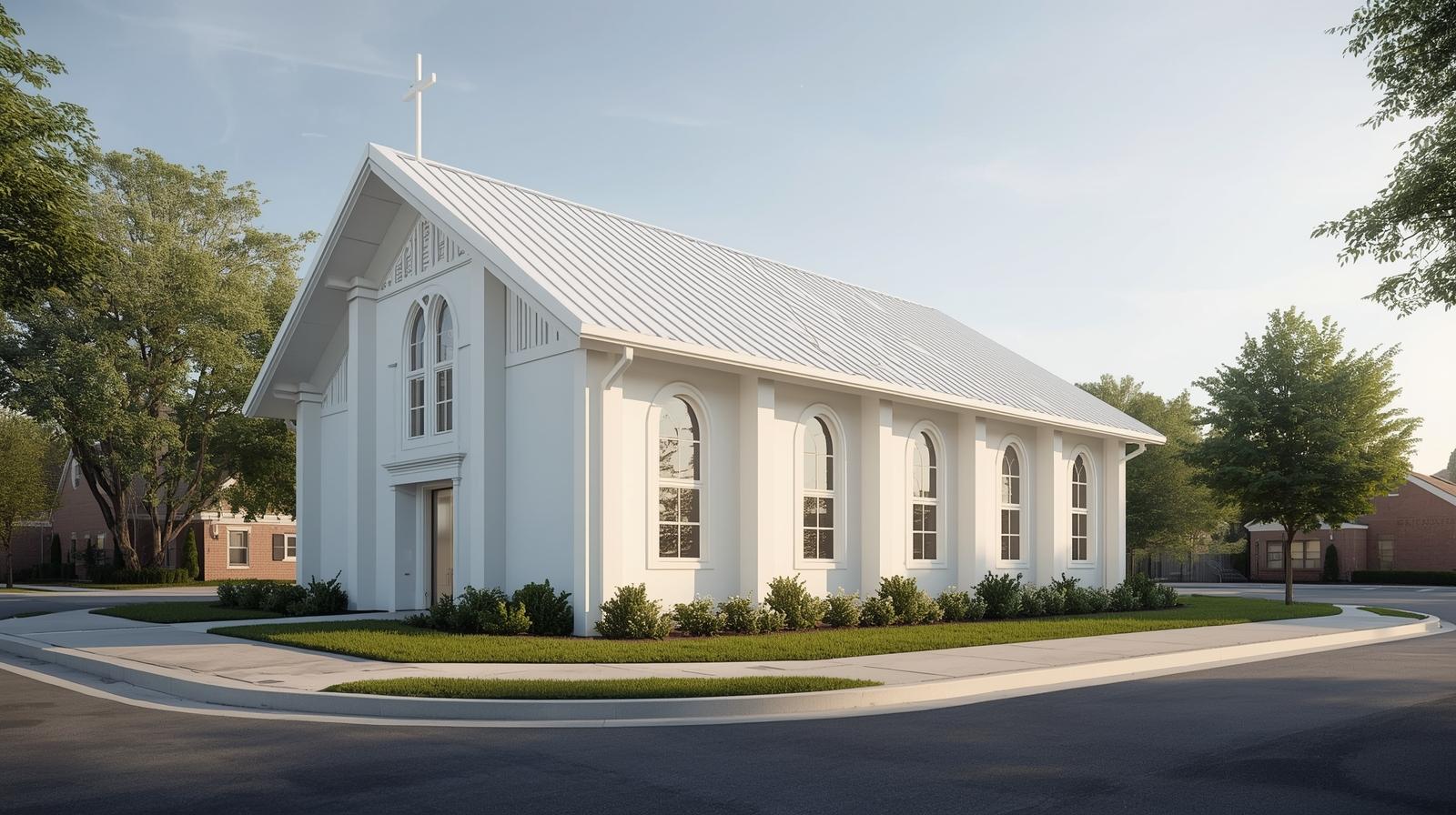
Building a church is a significant undertaking, not just in terms of architecture but also in budgeting, planning, and long-term community needs. Whether the project involves a small community chapel or a standard-sized worship hall, cost estimation plays a critical role. An accurate estimate helps avoid delays, budget overruns, and design compromises, while ensuring decision-makers can move forward with confidence.
In the United States, church construction is influenced by a combination of building codes, regional labor markets, material costs, and the specific purpose the church is intended to serve. A basic church is typically defined as a simple worship facility without advanced modern additions such as multimedia auditoriums, extensive administrative wings, or complex structural designs. This makes the cost structure more predictable, but still requires careful analysis.
This guide walks through every important step and consideration that goes into estimating the cost of building a basic church. It breaks down materials, labor, design choices, project phases, site conditions, and hidden costs. The goal is to provide a clear, practical blueprint for anyone involved in early-stage planning or budgeting.
Understanding What a Basic Church Includes
Before estimating costs, you must define what “basic” means in terms of features and design. A basic church typically includes:
- A main sanctuary or worship hall
- Simple foyer or entrance area
- Basic restrooms
- A small office or storage area
- Minimal architectural ornamentation
- Standard HVAC, electrical, and plumbing
- Moderate-grade interior finishes
This level of construction avoids complex structural spans, heavy ornamentation, advanced audio-visual systems, or large multi-purpose wings. Because scope defines cost, clarity at this stage is essential.
Why Church Construction Costs Vary in the U.S.
Even a simple church can vary significantly in cost depending on the state, region, and local building conditions. Major cost drivers include:
1. Labor Market Conditions
Labor is consistently one of the largest components of construction, and church construction relies on multiple trades including carpenters, electricians, plumbers, masons, and HVAC installers. Labor rates in the U.S. vary widely, with higher wages in regions like the Northeast, West Coast, and major metro areas.
2. Material Prices and Supply Conditions
Basic churches often use standard structural materials, but prices for lumber, concrete, and steel fluctuate. Regional availability, transportation costs, and market demand all influence final numbers.
3. Building Code and Zoning Requirements
Churches must meet assembly occupancy standards. This means enhanced safety measures, accessibility compliance, and specific structural requirements, which add cost depending on jurisdiction.
4. Site-Specific Factors
Soil conditions, land grading, drainage, access roads, utility availability, and weather conditions all contribute to overall project expenses.
Understanding these variations helps produce an estimate that reflects local realities rather than broad national averages.
Step-by-Step Breakdown: How to Estimate the Cost to Build a Basic Church
A structured approach ensures consistency and accuracy. The following steps reflect widely accepted estimation practices adapted for church construction.
Step 1: Determine the Size of the Church
Square footage is one of the biggest cost determinants. A basic small church typically ranges between 3,000 and 6,000 square feet, depending on seating capacity, amenities, and layout.
Estimators calculate:
- Seating needs
- Circulation area
- Sanctuary dimensions
- Office or storage space
- Restrooms and mechanical rooms
Once the total square footage is determined, you can begin applying per-square-foot cost ranges.
Step 2: Establish a Construction Quality Level
Churches can be built using several construction quality categories:
- Basic / Functional
- Standard finishes
- Simple structural designs
- Limited design complexity
- Standard / Mid-Range
- Better interior materials
- Architectural elements
- More durable structural choices
- High-End / Custom
- Decorative finishes
- Large span structures
- High design complexity
This article focuses on the basic category, which provides affordability without compromising essential structural and functional needs.
Step 3: Apply Cost per Square Foot
For basic church construction, cost per square foot typically includes:
- Foundation
- Framing
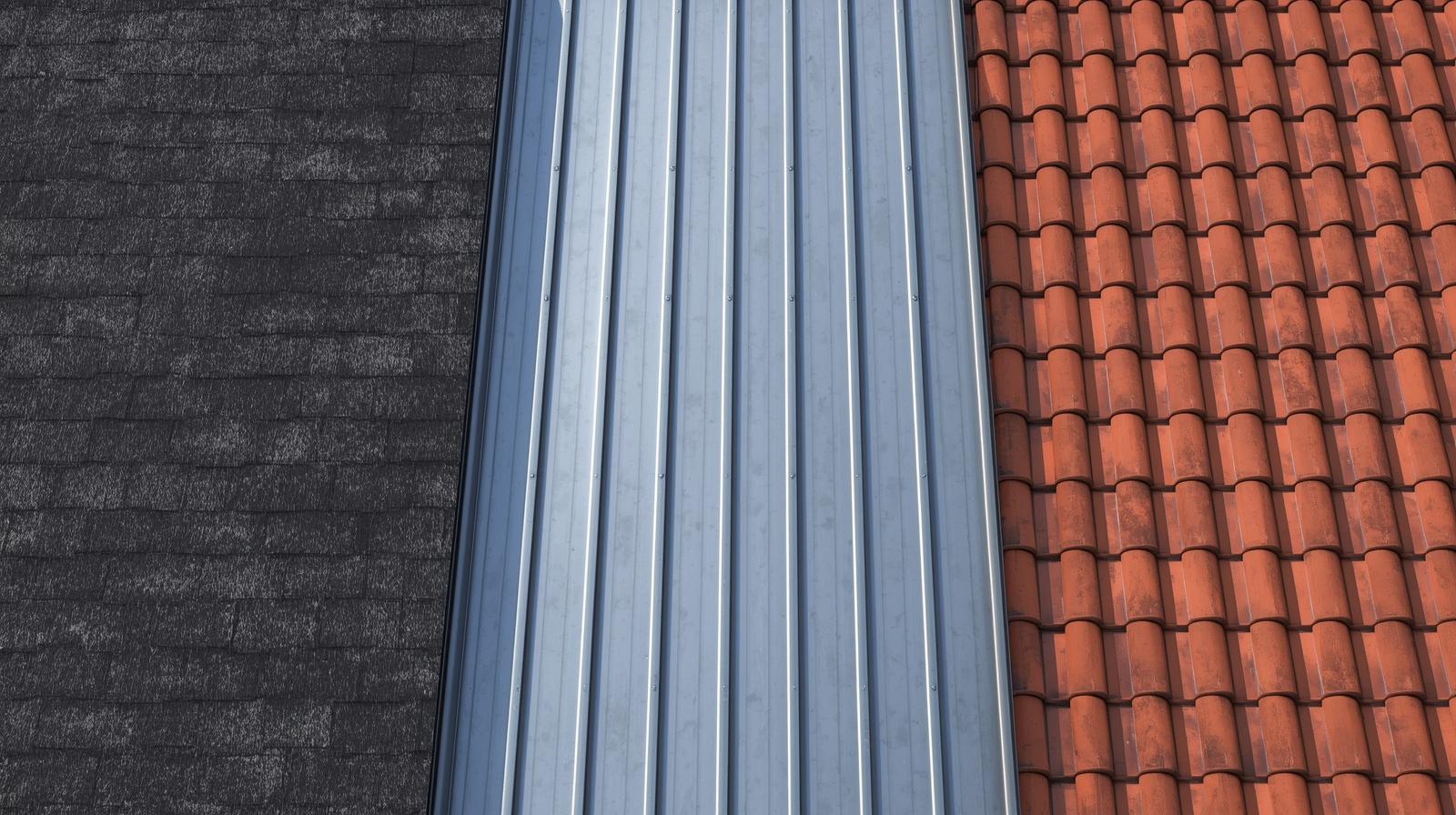
- Roofing
- Exterior finishes
- Interior partitions
- Electrical and plumbing
- HVAC installation
- Standard fixtures
The estimate excludes land acquisition but includes essential building systems.
Because costs differ by region, a basic church may fall into a general national range, but you must always adjust based on local market conditions.
Step 4: Factor in Site Work
Site work includes everything outside the building footprint, such as:
- Land clearing
- Utilities connection
- Parking area
- Sidewalks and pathways
- Drainage systems
- Landscaping
Site work can account for 10% to 25% of total project cost depending on land condition. A flat, serviced lot requires minimal preparation, while uneven or remote land demands heavy equipment work and additional expenditure.
Step 5: Consider Design and Professional Fees
Professional services are essential to ensure the church meets building codes and architectural expectations. They include:
- Architectural design
- Engineering
- Structural drawings
- Mechanical, electrical, and plumbing planning
- Permitting and inspections
Fees typically fall between 7% and 15% of construction cost. Even a basic church requires proper planning to ensure safety, usability, and compliance.
Step 6: Account for Interior Furnishings
Church furnishings may include:
- Seating (pews or chairs)
- Podium or pulpit
- Basic sound system
- Lighting fixtures
- Flooring materials
- Storage cabinets
- Restroom fixtures
These costs vary widely depending on choices. Basic furnishings keep the budget manageable but still require proper allocation during estimation.
Step 7: Add Contingency
A contingency is added to protect against unexpected expenses. For church construction, a standard contingency range is:
- 5% for highly predictable projects
- 10% for average project conditions
- 15%+ for projects with unknown site factors
Contingency prevents projects from stopping due to unforeseen conditions like soil challenges or market price fluctuations.
Major Cost Factors to Evaluate
To produce a high-value and realistic estimate, each cost component must be analyzed deeply.
1. Structural Choices
Even a basic church requires sound structural framing. The choice between wood framing, steel framing, or concrete block construction significantly influences cost. Wood framing is often more affordable, while steel offers long spans for open sanctuary spaces.
2. Roof Design and Complexity
Church roofs can increase construction cost depending on:
- Pitch
- Material
- Truss design
- Overhangs
- Architectural details
A simple pitched roof with asphalt shingles is cost-effective, but large spans or specialty materials increase expenses.
3. Mechanical Systems
Churches require properly sized HVAC systems due to large open sanctuary spaces. Oversizing leads to unnecessary cost; undersizing leads to poor comfort. A detailed load calculation ensures efficient equipment selection.
4. Finishes and Fixtures
Interior finishes such as paint, flooring, lighting, and ceiling materials are major cost contributors. Basic churches use:
- Vinyl composite tile flooring
- Standard acoustic ceiling tiles
- Simple interior paint
- Energy-efficient light fixtures
This keeps costs within budget without compromising usability.
5. Parking and Accessibility
Churches need adequate parking and code-compliant accessibility features, such as:
- ADA-compliant entrances
- Ramps
- Handrails
- Accessible restrooms
These code requirements must be integrated early to avoid redesign costs later.
Common Mistakes in Church Cost Estimation
1. Underestimating Site Work Costs
Many first-time builders overlook grading, utilities, and parking. This can significantly inflate final costs.
2. Not Accounting for Community Requirements
Church leadership often adds features mid-project, such as extra rooms or storage, which increases expenses.
3. Ignoring Long-Term Operational Costs
Churches must be built with energy efficiency in mind. Poor HVAC sizing or inefficient lighting results in higher operating expenses.
4. Under-allocating Contingency
Construction markets fluctuate. Without proper contingency, even basic projects can exceed budget.
5. Overcomplicating the Design
Too many non-structural architectural details increase cost without adding functional value.
Benefits of Accurate Church Cost Estimation
- Predictable budgeting
- Better decision-making for building committees
- Improved contractor negotiations
- Reduced risk of project delays
- Lower likelihood of redesigns
- Clear scope for all stakeholders
A strong estimate ensures alignment between vision, budget, and expectations.
Expert Insights for Better Estimation
- Begin with clear scope definition to avoid design creep.
- Use local labor and material cost data rather than national averages.
- Conduct a site evaluation before finalizing the estimate.
- Include lifecycle costs for systems like HVAC.
- Keep the design functional and avoid unnecessary complexity.
- Engage professionals early to confirm assumptions and prevent rework.
- Update the estimate after each design milestone.
Conclusion
Estimating the cost to build a basic church is a structured process that requires accurate data, careful planning, and an understanding of how regional factors influence construction. From defining square footage to evaluating site work, structural choices, and finishing elements, each component contributes to the overall cost. With a well-prepared estimate, churches can move forward confidently, ensuring that the project aligns with financial realities while fulfilling the community’s needs.
A basic church does not need excessive complexity to serve its purpose. By maintaining clarity in design, planning thoroughly, and avoiding common estimation mistakes, builders and congregations can create a functional, durable, and cost-effective facility that serves for decades.